
.webp)
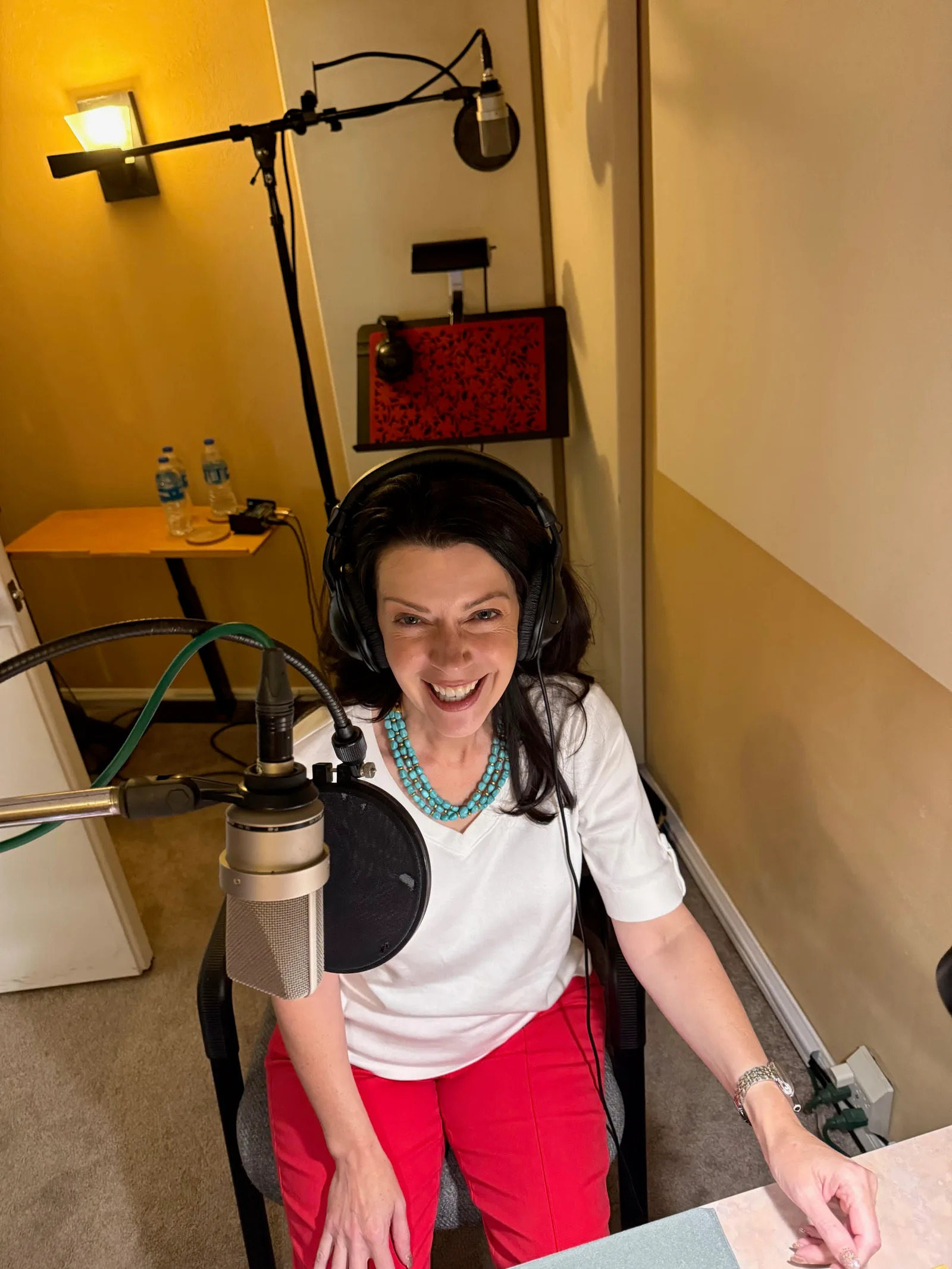
TyAnn Osborn spent years running strengths workshops before writing A Life Aligned, a book for people whose careers look right from the outside and no longer fit from the inside. She talks about why strengths can keep people stuck, why alignment is not the same as balance or happiness, and the grocery store encounter she was reluctant to put in print.
A Life Aligned is aimed at people who look successful on paper and still feel something is off. After years of saying that out loud in workshops, what did writing it down force you to define more precisely about what alignment actually is, and what it isn't?
A Life Aligned is aimed at people who look successful on paper and still feel something is off. Maybe you've gotten to a certain income, job title, car, or company and yet you don't feel happy or satisfied. So if all of this stuff that you've been working toward for years isn't the answer, then what is?
Writing the book forced me to recognize that alignment isn’t a destination you reach and then permanently check off the list. It’s the ongoing work of making choices that fit who you are, what matters to you and the season of life you’re actually in.
It also isn’t the same thing as balance, happiness or ease. You can be aligned and still experience difficulty, uncertainty or exhaustion. Sometimes the aligned choice is the harder choice.
For many years, I followed the path I thought successful people were supposed to follow: do well in school, choose a practical major, build a respected career, earn the promotion and keep taking on more. I became very good at succeeding, but success and alignment aren’t necessarily the same thing.
Misalignment often begins quietly. We say yes because we’re capable. We continue because we’ve invested so much. We build lives around what we *can* do without stopping to ask whether it still fits.
Writing the book helped me define alignment as congruence: the degree to which our choices, strengths, values, energy and priorities are pointing in the same direction. It also helped me understand that even the most self-aware person can drift (me included). The goal isn’t to eliminate drift. It’s to notice it earlier and know how to find your way back.
You have guided more than 15,000 people through strengths work, almost always in a room where you can read the energy and adjust in real time. A reader can't ask you a question back. What did you have to change about the way you teach to make the material work on the page?
In a workshop, I can see when people are engaged, confused or quietly disagreeing with me. I can ask another question, tell a different story or slow down. A book gives you none of that immediate feedback!
I had to anticipate the questions readers might ask and the objections they might never say out loud. That alone made figuring out the audience for the book incredibly important. I also had to resist the temptation to explain everything. That’s difficult for someone with Communication and Learner in her top five strengths! 😂
On the page, I needed to create space for readers to make their own connections. Stories became especially important because they allow people to recognize themselves without being told what they’re supposed to learn. The reflection questions and practical exercises also became substitutes for the interaction I would normally create in a room. And, I knew that every exercise wasn't going to resonate with every reader, so I presented the reflection activities in a ton of different ways, keeping in mind adult learning styles (list making, survey taking, drawing, thinking, talking with someone else, etc.). After the book came out I was asked by people about an audiobook. That hadn't originally been on my radar but I did it and it was such a fun and interesting process. Doing that opened up my content to people who just don't pick up books.
Most importantly, I had to write to one person rather than an audience. I imagined someone who had done everything “right” and couldn’t understand why the life she had worked so hard to build no longer felt quite right. That changed the book from a collection of things I teach into a conversation with the person who needed them.
CliftonStrengths is a well-mapped framework with a lot already written about it. Where in the book did you find yourself going beyond it, or saying something that is distinctly yours rather than Gallup's?
CliftonStrengths is an incredibly valuable tool, but it is still just a tool. Our strengths don’t represent the entirety of who we are, and understanding them doesn’t automatically create an aligned life.
My work goes beyond identifying talent to ask a larger question: What are you using those talents in service of?
A person can use their strengths brilliantly in a role, organization or life that no longer fits. In fact, our strengths can sometimes keep us stuck. We might continue accepting responsibility because we’re dependable. We might keep achieving because achievement has become part of our identity. We might remain in situations that drain us because our talents allow us to perform well there.
That distinction became important in the book. Being good at something doesn’t necessarily mean you should keep doing it.
My contribution is connecting strengths with values, energy, life experience, priorities and season. Understanding your strengths helps you recognize how you naturally move through the world. Alignment asks whether the direction you’re moving is still the right one.
It was also really important for me to present my IP and not just be a "face for Gallup". That journey took a while to crystalize in my mind, and I'm actually going through a website revamp to make that clear.
The grocery store encounter with the former employee whose name you couldn't remember is the hinge of your own story. Writing it down is different from telling it from a stage. What did you discover about that moment while putting it into prose, and was there anything you were reluctant to include?
That encounter stayed with me because it was such a seemingly small moment that revealed something much larger.
This former employee remembered me and the role I had played in his life, and I couldn’t even remember his name. I felt embarrassed, but the deeper emotion was grief. It forced me to confront how quickly I had been just going through the motions, the impact of my actions (even when I was just "doing my job"), and how much of my life had become a blur of responsibilities, meetings, accomplishments and people.
Writing about it made me see that the moment wasn’t really about forgetting a name. It was about the vast distance between the leader I wanted to be and the way I had actually been experiencing my life.
I was reluctant to include it because it wasn’t flattering. I would much rather tell a story in which I was insightful, present and deeply connected to everyone I had ever led. But that wouldn’t have been honest.
The encounter mattered because it interrupted the story I had been telling myself, that success was evidence that everything was working. From the outside, my life looked very successful. But internally, I had become disconnected from parts of myself and from some of the people and experiences that should have mattered most.
Burnout and the quiet restlessness of high achievers are everywhere in the conversation right now. Since the book came out in May, which parts have readers actually latched onto, and has any of that been different from what you expected when you were writing?
What readers seem to respond to most is the permission to question the things they’ve been told they should want.
Many high achievers aren’t in obvious crisis (and ideally I reach them before a crisis happens). Their lives may be objectively good. They’re capable, responsible and still getting things done. But underneath all of that is a quiet sense that something doesn’t fit anymore.
I’ve heard from readers who recognized how often they were making decisions based on expectations, momentum or what they had already invested. Others connected with the idea that being capable of doing something isn’t the same as being called to continue doing it.
What surprised me most was the relief people expressed. They didn’t necessarily need a dramatic reinvention. They needed language for what they were feeling and permission to make a small adjustment.
I expected the practical tools to resonate, and they have. What I underestimated was how powerful it would be for readers simply to hear, “You aren’t ungrateful, lazy or broken because the life that once fit you doesn’t fit in exactly the same way now.”
I've also been surprised that the chapter on boundaries has resonated so much! Apparently this is a huge area that most of us are never trained how to do, so giving people some easy, neutral scripts has been very helpful. I feel like I could write a specific book just on that topic.
Now that the ideas are out in the world and shaping keynotes like The Alignment Advantage, what has publishing changed about how you talk about your own work? And what would you tell someone who knows their material cold but hasn't yet written a word of it?
Publishing the book gave me a clearer center of gravity for my work. I wanted that clarity for years but had kind of a collection of tools and stories without a clear through-line. This process helped me so much... I wish I'd had that clarity years ago!
For years, people primarily knew me as a strengths expert. Strengths are still an important part of what I do, but writing A Life Aligned helped me see the bigger idea underneath that work. Understanding your strengths is one way to become more aligned. It isn’t the whole story.
That clarity now shapes my keynotes, coaching and the decisions I make about my own business. The Alignment Advantage has become the umbrella, while strengths, values, energy and intentional decision-making are tools beneath it. And, the topic is very customizable for the audience (the Alignment Advantage for Leaders, for first time managers, for nonprofits, etc.).
To someone who knows their material but hasn’t begun writing, I would say: Don’t wait until you’ve organized every idea or found the perfect opening sentence. Writing isn’t simply the process of recording what you already know. It is how you discover what you actually think.
Write to one person. Tell the stories you find yourself returning to. Pay attention to the sentences that feel slightly uncomfortable to write, because they may be the ones that matter most.
Your first draft doesn’t have to prove that you’re an expert. It needs to tell the truth clearly enough that someone else can recognize their own life in it. Don't worry about the perfect chapter names or length or narrative arc right off the bat. Just practice getting your key points out and then you can start putting them together in a way that flows. And if that is too overwhelming, simply set a timer for 5 minutes and write what comes to mind (or just record a note and have it transcribed). Then stop. Do it again the next day. See - you're a writer!
Has writing a book about alignment made it easier for you to remain aligned?
It has made me much quicker at recognizing when I’m drifting, but it certainly hasn’t made me immune to it. I want people to understand that alignment is an ongoing process, not a "one and done" event.
I still encounter all the familiar “shoulds”: I should be posting more, growing faster, creating more content, taking on more clients or building a bigger business. The difference is that I’m now more willing to stop and ask whether “more” is actually what I want.
Sometimes the most aligned decision is to pursue an exciting opportunity. Sometimes it’s to acknowledge that I could do something well and still choose not to do it.
I don’t believe alignment requires having all the answers. It requires enough self-awareness and courage to keep asking the questions.
Courtney Carver, author of Soulful Simplicity and Project 333, says, "I don't say no because I'm too busy. I say no because I don't want to be too busy." Mic drop.
What role did AI play in the writing process, if any?
I added this question because I believe everyone is thinking about it, whether or not they are courageous enough to admit it. ;-)
I wrote the majority of content in 2021/2022 when AI was just starting to go mainstream. So it didn't help me with any of that. What it became was a thought partner when I needed help putting together the narrative arc or pulling out themes. It helped me spot patterns when I was so close to the content that I couldn't see beyond the nitty gritty.
I am chagrined now though because I have always been a big em dash user and my book is filled with them! Had I known that was going to become a punchline of AI writing I would have been much more judicious in using them. Ha! Maybe in the future if I release a second edition I can edit those down.
The part where AI became invaluable was when I went to self-publish in 2025. It walked me through how to add the metadata information into Ingram Spark and Amazon KDP. Honestly that part was the most technical and frankly frustrating. Then, Amazon screwed up on my book cover upload and it took two months to get resolved. Had AI not existed I would have been completely lost. So it can be a tremendous tool in the writing process. Don’t hesitate to experiment with all it can do. After all, the goal is to get your expertise out of your head and into the world where it can be in service of others.
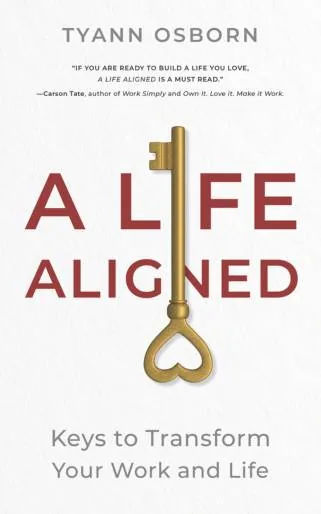
A Life Aligned is available from Amazon or TyAnn's website.
You can find TyAnn at tyannosborn.com and connect on LinkedIn.

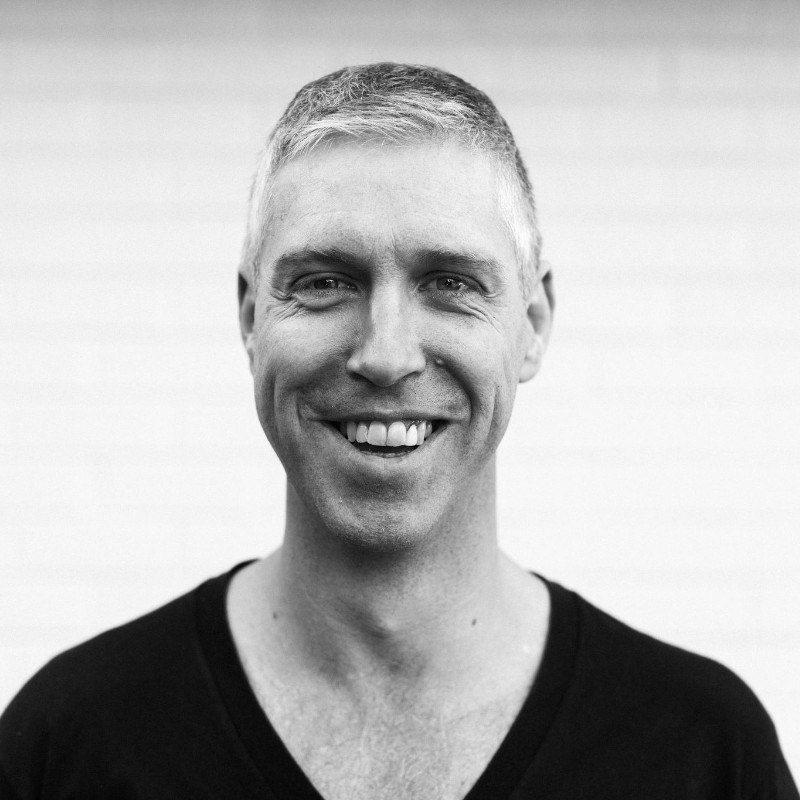
Graeme Cowan on Great Leaders Care: Developing Safe, Resilient and Successful Teams
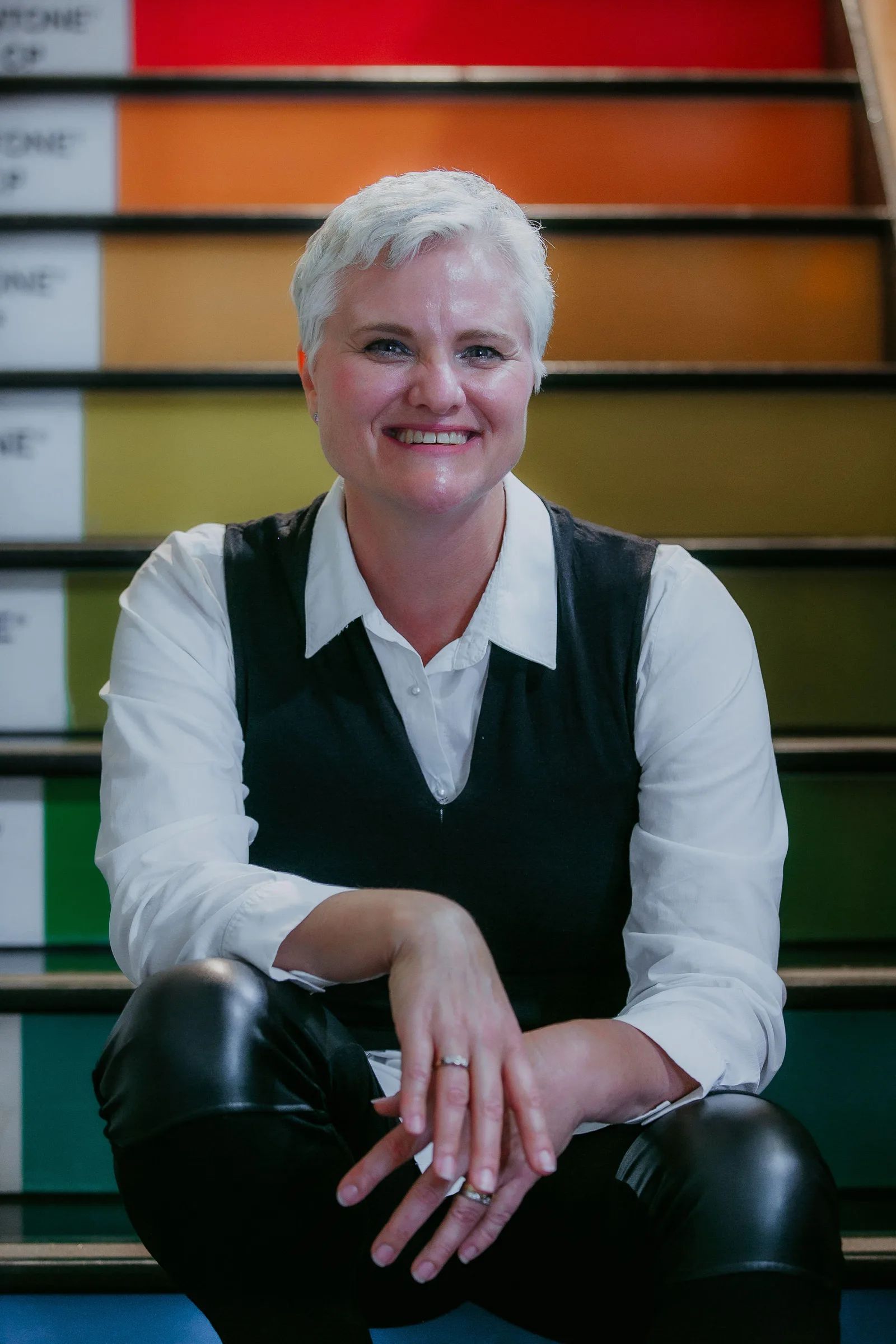
Jo Muirhead on The Entrepreneurial Clinician
Shyam Barr on Educate to Self-Regulate