
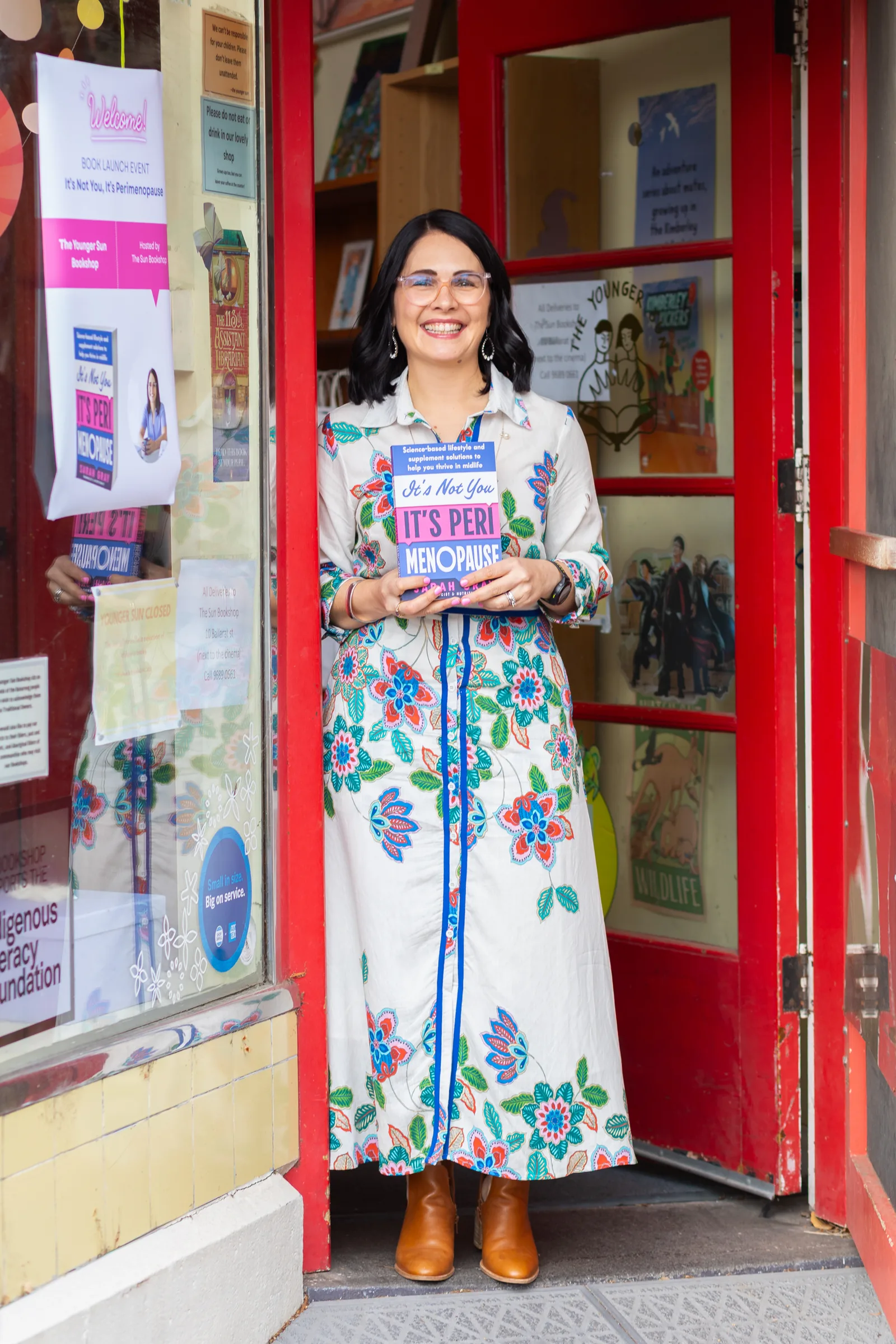
Pharmacist and nutritionist Sarah Gray on writing It's Not You, It's Perimenopause: why she set a high evidence bar for supplements, why the book ends with a framework rather than a single plan, and what she now refuses to answer in three minutes on air.
The title does a lot of work before a reader opens the book. Where did "It's not you, it's perimenopause" come from, and what do you think women need to hear in that reframe?
The title really came from what I was hearing from women over and over again - and from my own experience too. So many women reach this stage saying, “I just don’t feel like myself anymore.” They might be more tired, anxious, struggling with sleep or brain fog, noticing changes in their body, and wondering why things that used to feel manageable suddenly feel harder.
I wanted It’s Not You, It’s Perimenopause to provide that moment of recognition. There may be a physiological reason why you’re feeling different, and understanding that can be incredibly powerful.
You have spent more than 25 years across the pharmacy counter and in nutrition practice. Writing a whole book forces you to lay out your reasoning in full. Did anything you had long believed about perimenopause look different once you had to argue it on the page?
Absolutely. One of the interesting things about writing the book was having to interrogate things I had heard, been taught or even repeated over the years and ask, “What does the evidence actually say?”
I think the biggest shift was appreciating just how much nuance there is. We often want simple answers - eat this, avoid that, take this supplement - but women’s health rarely works that way. The evidence for some commonly promoted approaches is much less convincing than social media would have us believe, while some of the less glamorous things - nutrition, movement, sleep, reducing alcohol, managing stress and getting appropriate medical care - remain incredibly important.
It also reinforced for me that perimenopause shouldn’t be viewed in isolation. This is a time to think about the woman’s health more broadly: cardiovascular health, bone and muscle health, metabolic health and mental wellbeing, as well as symptom management. That broader midlife-health lens became really important to me as I wrote the book.
Supplements are one of the noisiest corners of midlife health. What evidence threshold did you set for what made it into the book, and what did you end up leaving out that readers might have expected to find?
Being both a pharmacist and nutritionist probably makes me particularly cautious about supplements. My threshold was that there needed to be reasonable evidence of benefit, but I also looked at safety, potential interactions, the quality of the research and whether the effect was actually meaningful in real life.
I deliberately didn't want the book to become a shopping list of supplements. There are so many products marketed to women in midlife with very confident claims that simply aren't matched by the evidence.
Where supplements are discussed, I try to put them in context. Is there a demonstrated deficiency? Is there a particular symptom we're trying to address? Is there evidence for this ingredient, in this dose, for this purpose? And could it interact with medicines or be inappropriate for that individual?
I think readers may be surprised that there isn't a long list of “menopause supplements” they need to take. For me, supplements should supplement the foundations - they shouldn't replace them.
The book closes with a step-by-step personalised action plan. In clinic you can adjust things week by week for one woman in front of you. How did you translate that kind of tailoring into something that works on paper for a reader you will never meet?
That was one of the hardest parts, because there genuinely isn't one menopause plan that is right for every woman.
So rather than telling readers exactly what to do, I wanted to give them a framework for working out what matters most for them. What symptoms are affecting you most? What is happening with your sleep, nutrition, movement and stress? Are there health checks you're overdue for? What do you want to discuss with your GP or another health professional?
And importantly, you don't have to change everything at once. I see this clinically all the time - people can become overwhelmed by a huge list of things they think they “should” be doing. Often it's much more useful to identify one or two priorities, make them achievable, see what happens and build from there.
So the action plan is really about helping women move from information to action while still leaving room for individual circumstances and appropriate professional care. Then I encourage them to repeat the process every 3-6 months, or as new symptoms arise or things change.
You have been a regular voice on radio, podcasts and television, where perimenopause often gets three minutes. Now that you have 230 pages of your own argument in print, has it changed how you answer the quick questions, or what you refuse to answer quickly?
Definitely. Media teaches you to communicate complicated health information very quickly, which is a useful skill, but writing the book reminded me how dangerous it can be when we strip away too much of the nuance.
I'm probably more comfortable now saying, “There isn't a simple answer to that.” Particularly when someone asks about hormones, supplements, weight, mental health or whether a particular symptom is caused by perimenopause.
Sometimes the responsible answer needs a little more context.
At the same time, writing 230 pages actually made me better at identifying the one thing I want someone to take away from a three-minute conversation. You can't communicate everything, so what is the most useful, accurate thing this person needs to know?
And sometimes that is simply: this might be perimenopause, but don't self-diagnose everything as hormones. If something has changed or doesn't feel right, get it checked.
It is early days since the October launch. What has surprised you most about which parts of the book readers are reacting to, and what would you tell another clinician who is sitting on a book they have not started yet?
What has probably stayed with me most is women telling me they felt seen. I expected people to respond to the practical information, but I perhaps underestimated how powerful it would be for someone to recognise their own experience on the page and realise that questions they had been carrying around were valid.
I've also loved hearing that women are dipping in and out rather than necessarily reading it cover to cover. That was intentional. I wanted it to be something you could come back to when a new symptom appears, before a GP appointment, or when you're ready to tackle a particular part of your health.
For another clinician sitting on a book they haven't started, I'd say don't wait until you feel completely ready or until you think you know everything. You never will. Start with the questions people ask you every day. That's probably where your book is.
And don't underestimate how different writing for a reader is from writing as a clinician. The expertise matters, but your job isn't to demonstrate how much you know. It's to take what you know and make it genuinely useful to the person on the other side of the page.
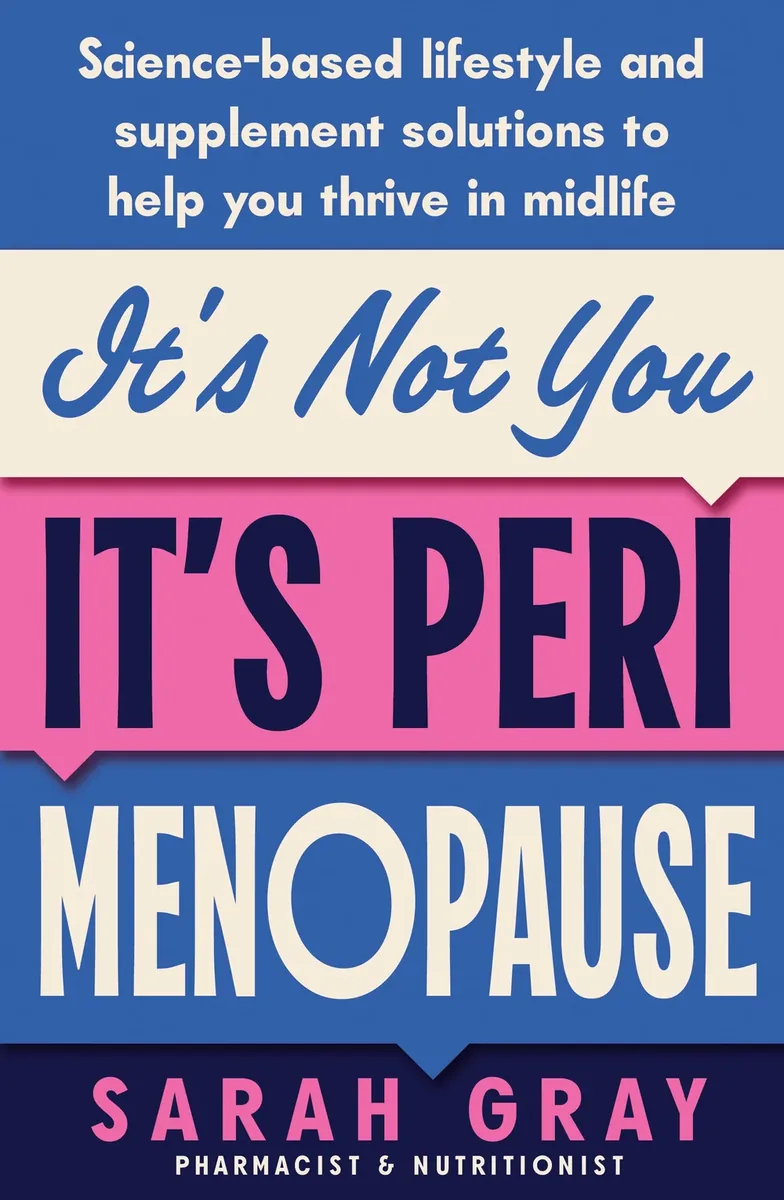
It's not you, It's Perimenopause is available from Sarah's website.
You can find Sarah at thenutritionpharmacist.com/perimenopause-book and connect on LinkedIn.
Salli Cohen on Rollercoaster
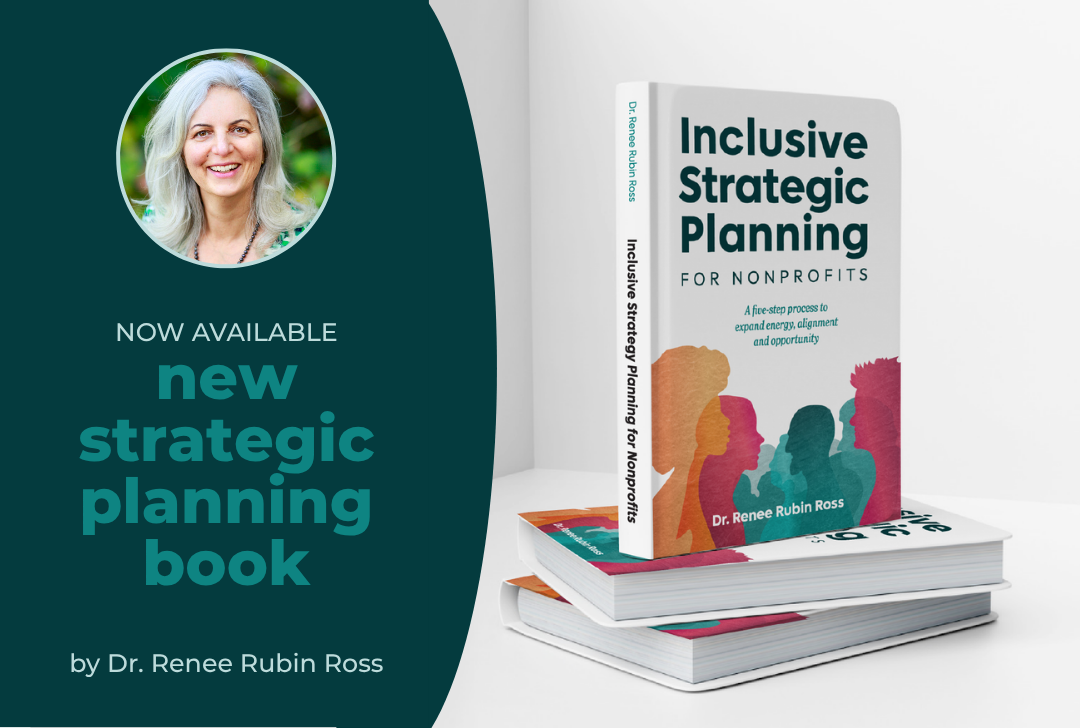
Dr Renee Rubin Ross on Inclusive Strategic Planning for Nonprofits
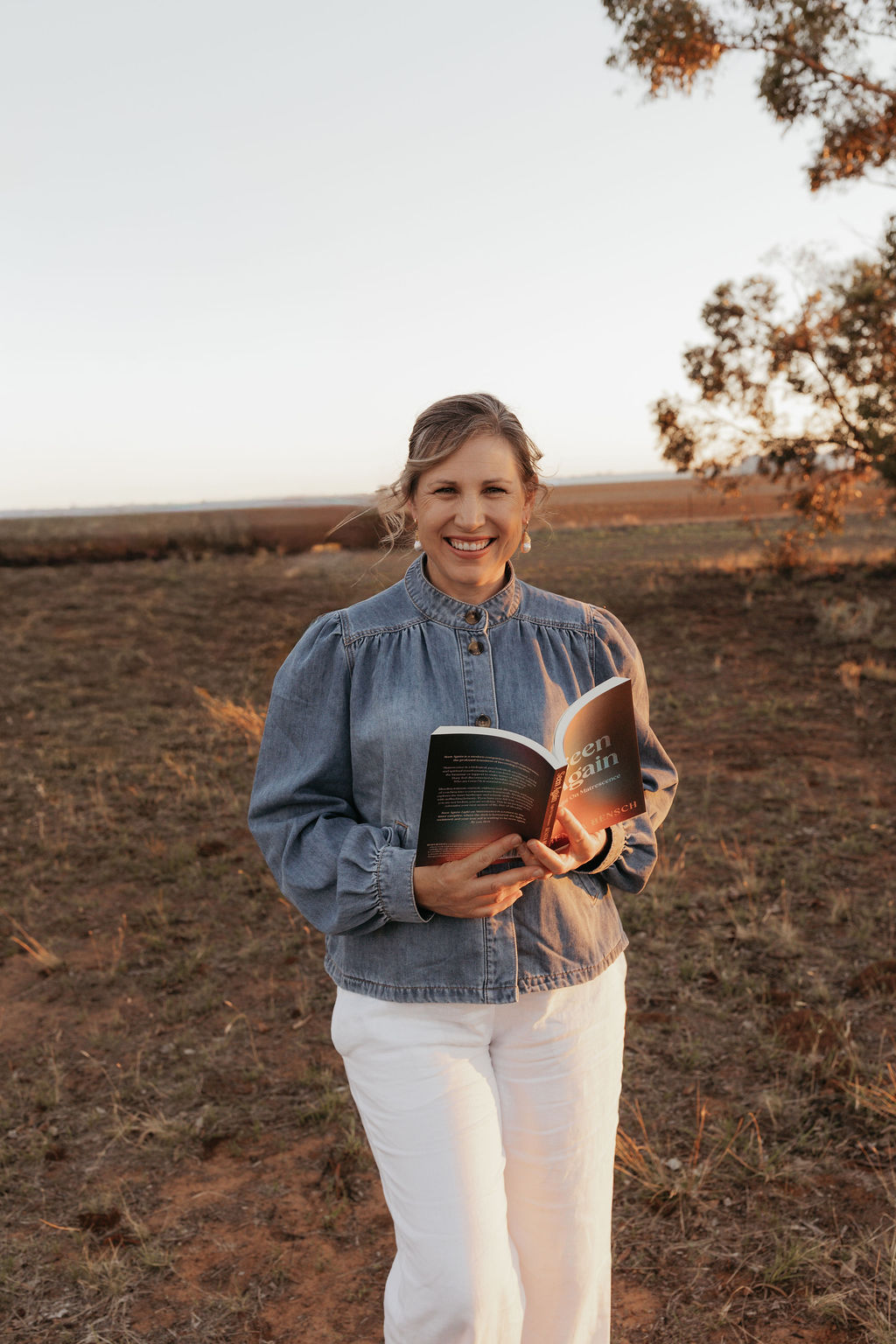
Benita Bensch on Seen Again