
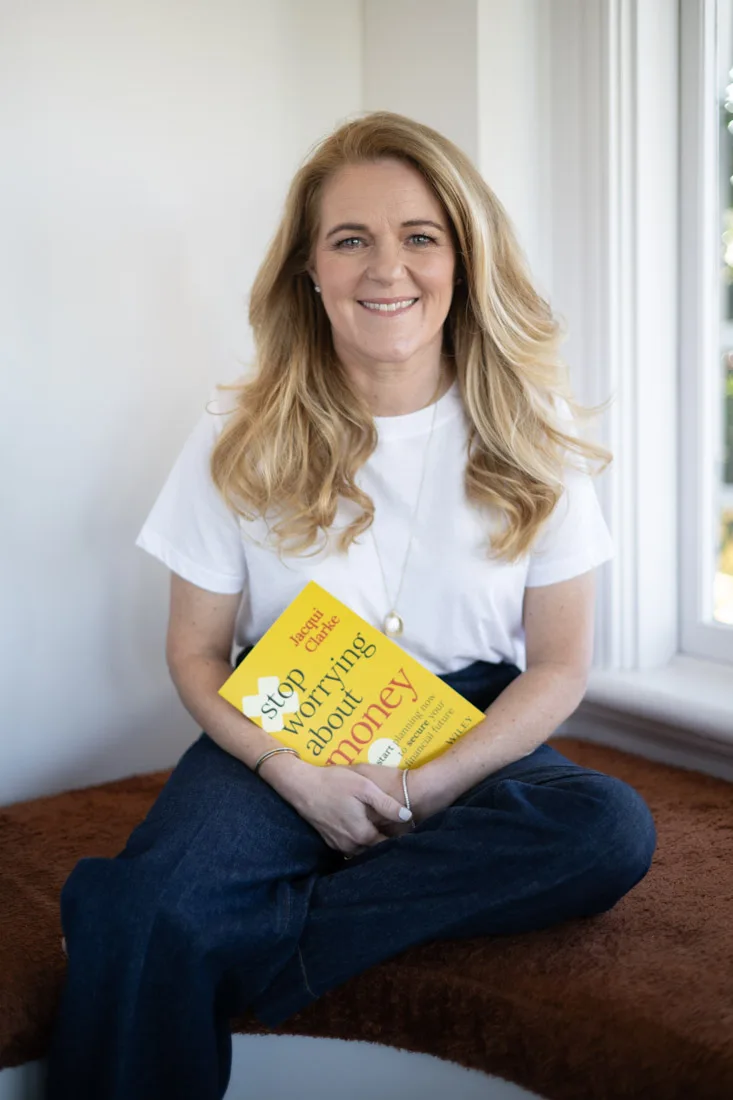
Three years after Stop Worrying About Money, Jacqui Clarke says the thing she understands better now is the mental load limit: capable people leave the paperwork in the drawer because money is coming in and the bills are paid, so they stop there. She also talks about the same mistakes showing up whether a family has a little or a lot, and why she chose not to monetise the business model sitting behind the book.
Stop Worrying About Money came out in 2023, and since then readers have lived through rate rises, inflation and a lot of noise about where to put their money. Which idea in the book do you think has held up best, and is there anything in it you now read differently?
It’s what you’d call evergreen. This book was designed as a money guide, one that transcends generations and economic cycles. One of the most valuable ideas apart from getting your financial house in order is bringing the “open the front door costs” to life.
I don't think there is anything I’d read differently but in the time from writing to now my own ideas have matured and this would influence how I might write it today.
The book opens with a very recognisable picture: people who run complicated lives well, with the paperwork still sitting unopened in a drawer. After a few more years of these conversations, what do you understand about why capable people avoid their own finances that you could not have articulated when you were writing?
We have a mental load limit and this wasn’t as clear to me at the time of writing. People avoid things that are hard and by the same token there is only so much you can take care of. If money is coming into the bank and there is enough to pay the bills, people can stop there.
You describe the book as written for everyone, while your advisory work now sits with family heads and founders whose structures have outgrown any single specialist. What did writing for the general reader teach you that you still use with the most complex families?
The money mistakes occur whether you have a little or a lot. People die, people get divorced. These “life experiences” have shaped so much of my writing and taking these messages to the most complex families is essential to helping them stay focused on securing wealth for generations.
One chapter gives readers the questions to ask an adviser, an accountant or a lender before they sign. Has putting that in print changed how people turn up to those conversations, and has it changed anything about how you want to be questioned yourself?
It’s important to be informed about what you sign, what you’re investing in etc, I always say to people that just because someone says it’s a good investment doesn’t mean it is. What do you understand about it yourself? It’s like doing your due diligence and yes for me its about taking my own advice!
You say the book is deliberately not a sales pitch for anything. Three years on, what has that decision made possible that a more promotional book would not have, and would you hold the same line if you wrote another one?
Of course I would do it differently…maybe! There was and is a potential business model nicely aligned with the book which I chose not to monetize like most authors would. I think the network, the authors, the podcasts and all that has come with true exposure from the book has been invaluable to me and created a whole new paradigm to my life that has been life changing.
Anyone can now get a budget template or a plausible-sounding financial answer in seconds. What part of getting on top of money still cannot be outsourced to a tool, and does that change what you think a book on this subject is for?
Actions speak louder than words. It’s about what you do that makes the difference. The challenge with a template or an AI generated answer is - what is the question you have asked? How do you know it’s right? Original authored books will always have a place in our lives. There is a unique and priceless value that my human experience and life and education that is captured in this book that no template will ever give you !!
Why EAC?
I could not have extracted my education and experience and translated it into easy to follow advice without Kelly Irving’s careful knowledge of the non-fiction markets needs and indeed publishers focus. The EAC made the whole experience and continues to make being part of an author community immensely rewarding.
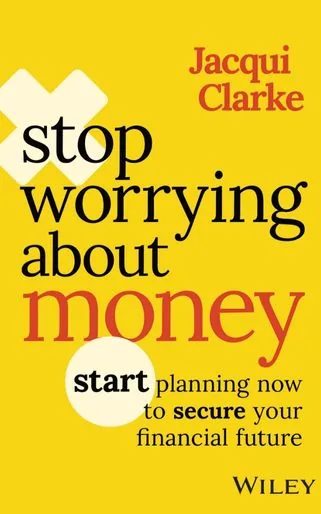
Stop Worrying about Money is available from Booktopia, Amazon or Jacqui's website.
You can find Jacqui at jacquiclarke.me and connect on LinkedIn.
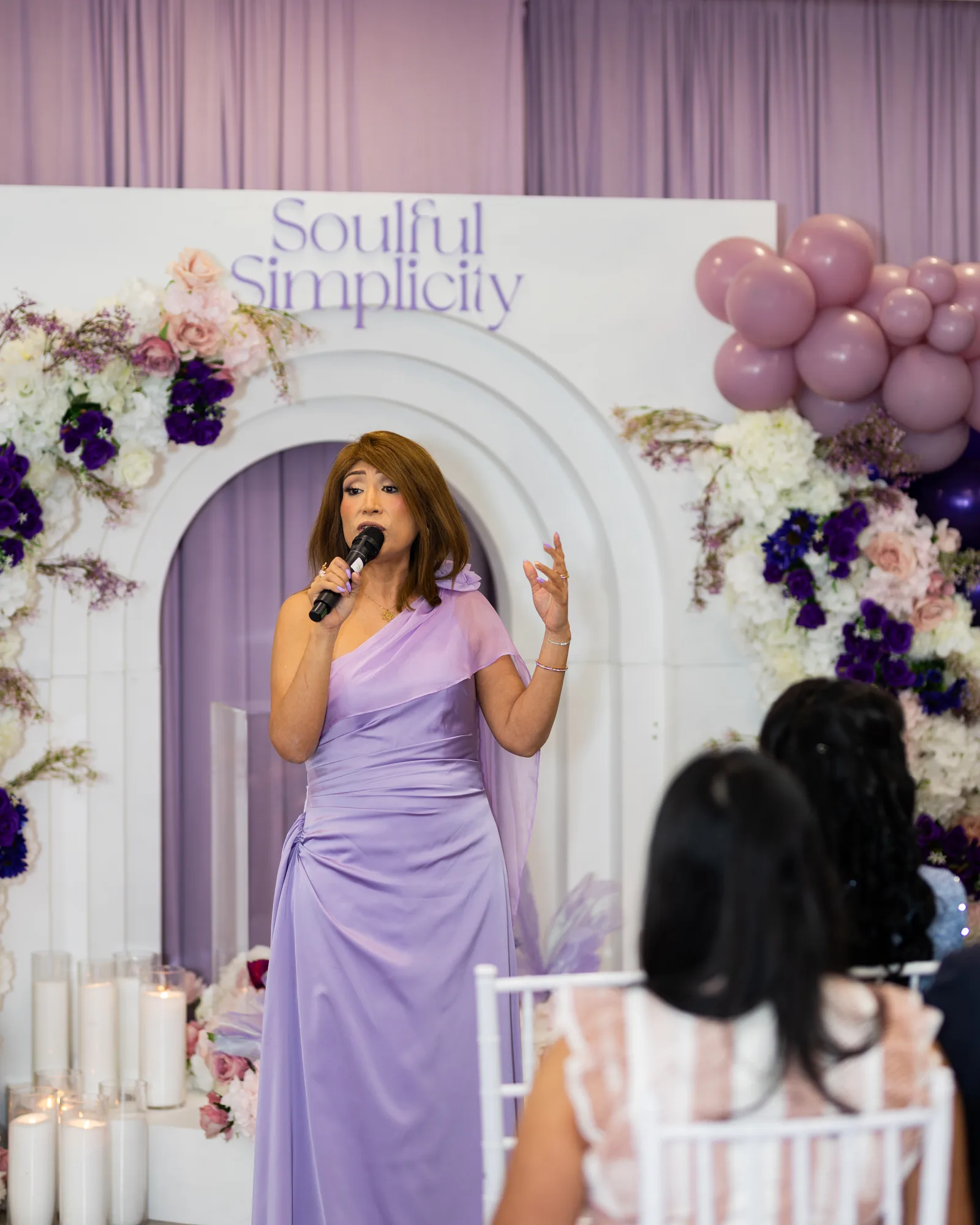
Faye Evans on Soulful Simplicity


Monique Zytnik on Internal Communication in the Age of Artificial Intelligence
Maree Burgess on Level Up