
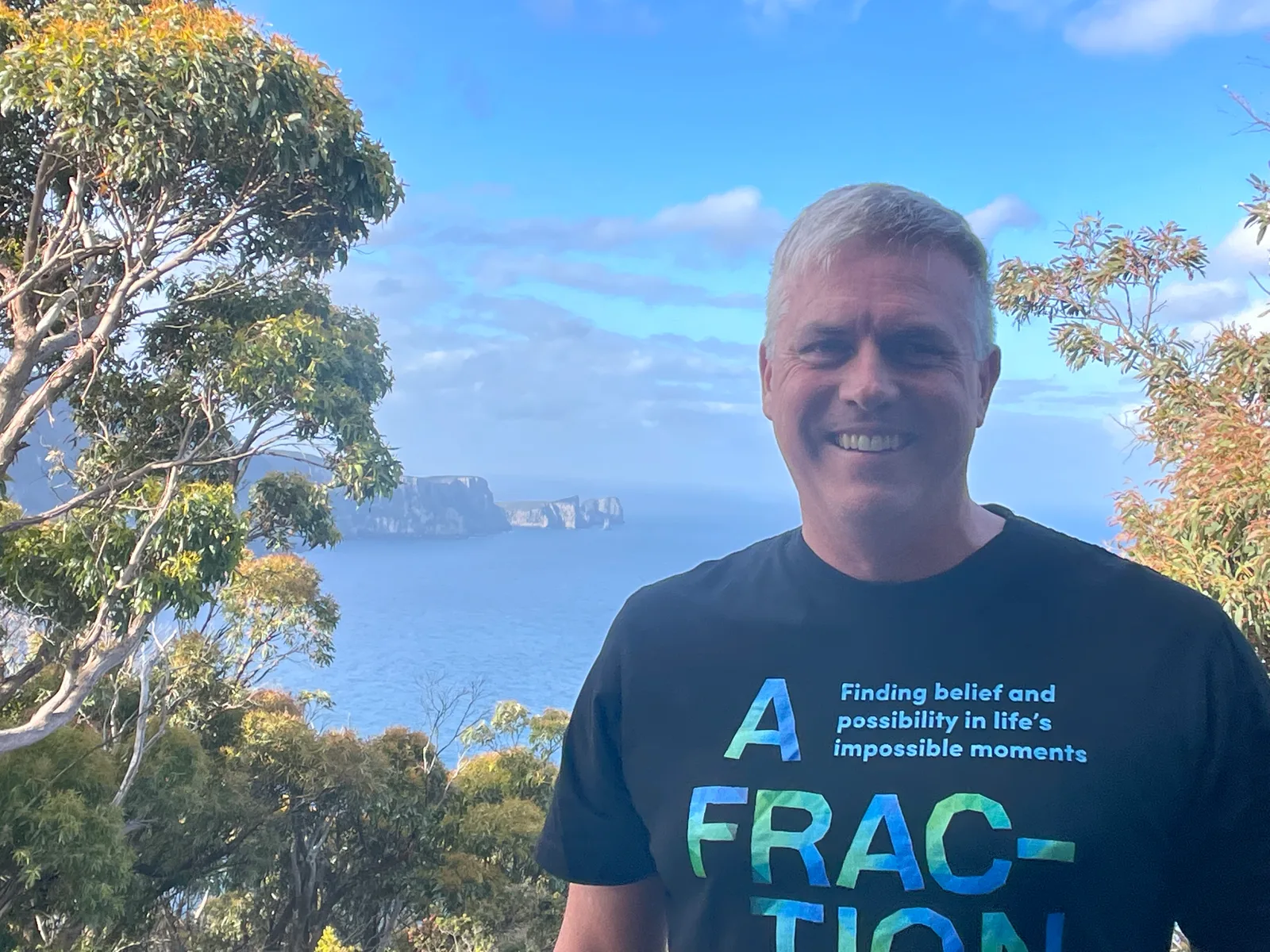
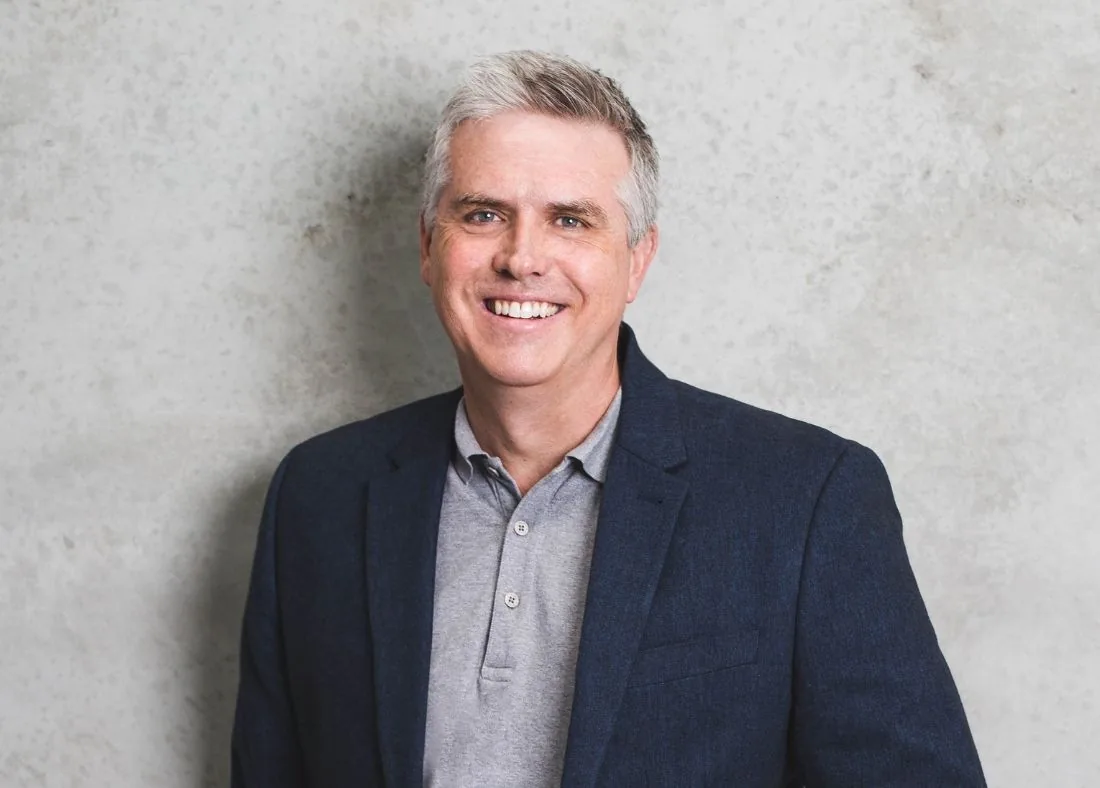
Mark Berridge wrote A Fraction Stronger around two years after the accident that shattered his spine, while juggling rehabilitation and part-time work. He talks about which habits from 25 years of high-stakes negotiation carried into a hospital bed, which ones left him prone to isolation, and why he now thinks his own humility held the book back.
A Fraction Stronger has been out for more than three years now. What do readers still write to you about, and is it the part of the book you expected would be the one to last?
There are three precious things that still consistently happen:
• Carers talking about how much the book has helped them support a loved one
• My network reaching out to secure a copy for someone whose life has been shockingly upended
• Past readers talking about a phrase or paragraph of the book that stuck with them.
I don't think I had particular parts of the book I expected to last, but there were some concepts I was proudest of. Like our embers of identity that can be sparked back into life with some warmth from inside and outside of us, even when we feel totally shattered and lost. I am always thrilled when these ideas seem to have landed for readers and are referenced when they share what they loved about the book.
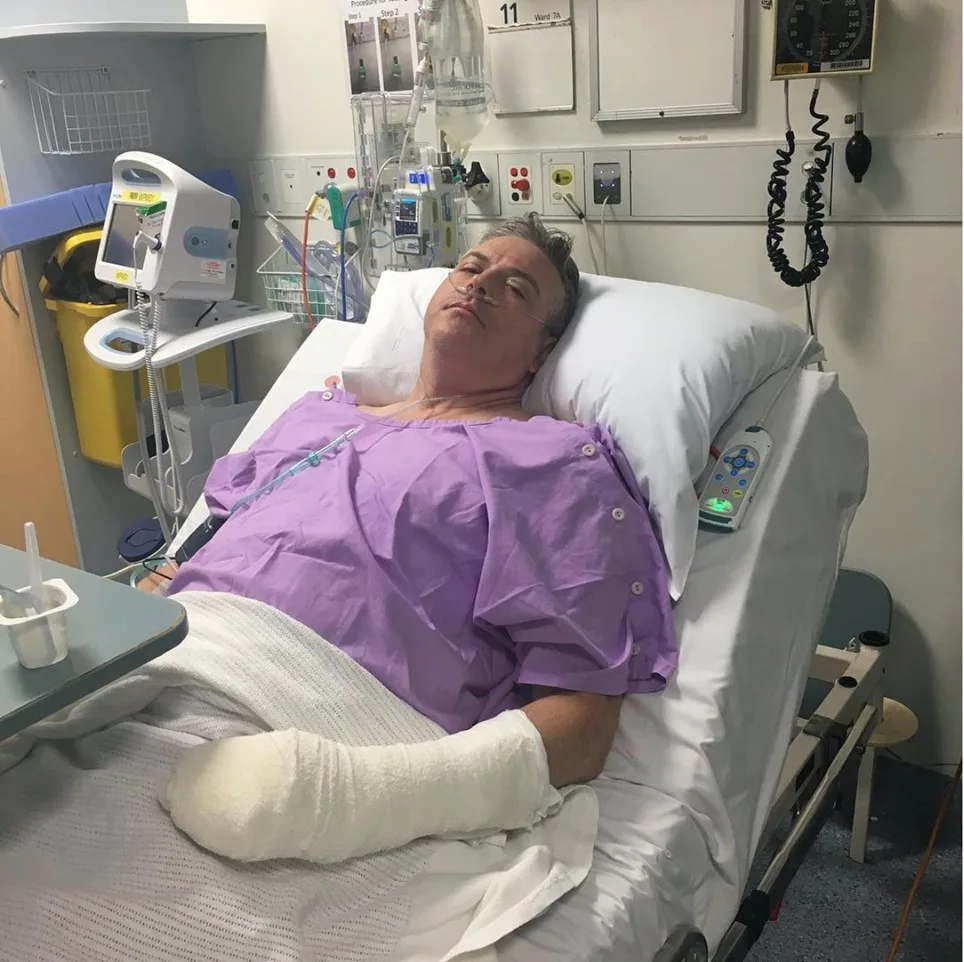
You were still deep in rehabilitation when you wrote the book, only two years after the accident. What did writing that close to the event give the book, and is there anything you can see now that you simply couldn't have written then?
To my surprise, writing proved a beautiful, cathartic process. I felt I had processed my emotions prior to writing. However reliving scenes intently yielded different and deeper perspectives, giving insights, texture and humanity to A Fraction Stronger.
I don’t think there are scenes I shied away from or see with a different perspective now. Mainly I just feel I am a better writer these days so could write a better book. But given A Fraction Stronger won 16 awards, I could be wrong. 😊
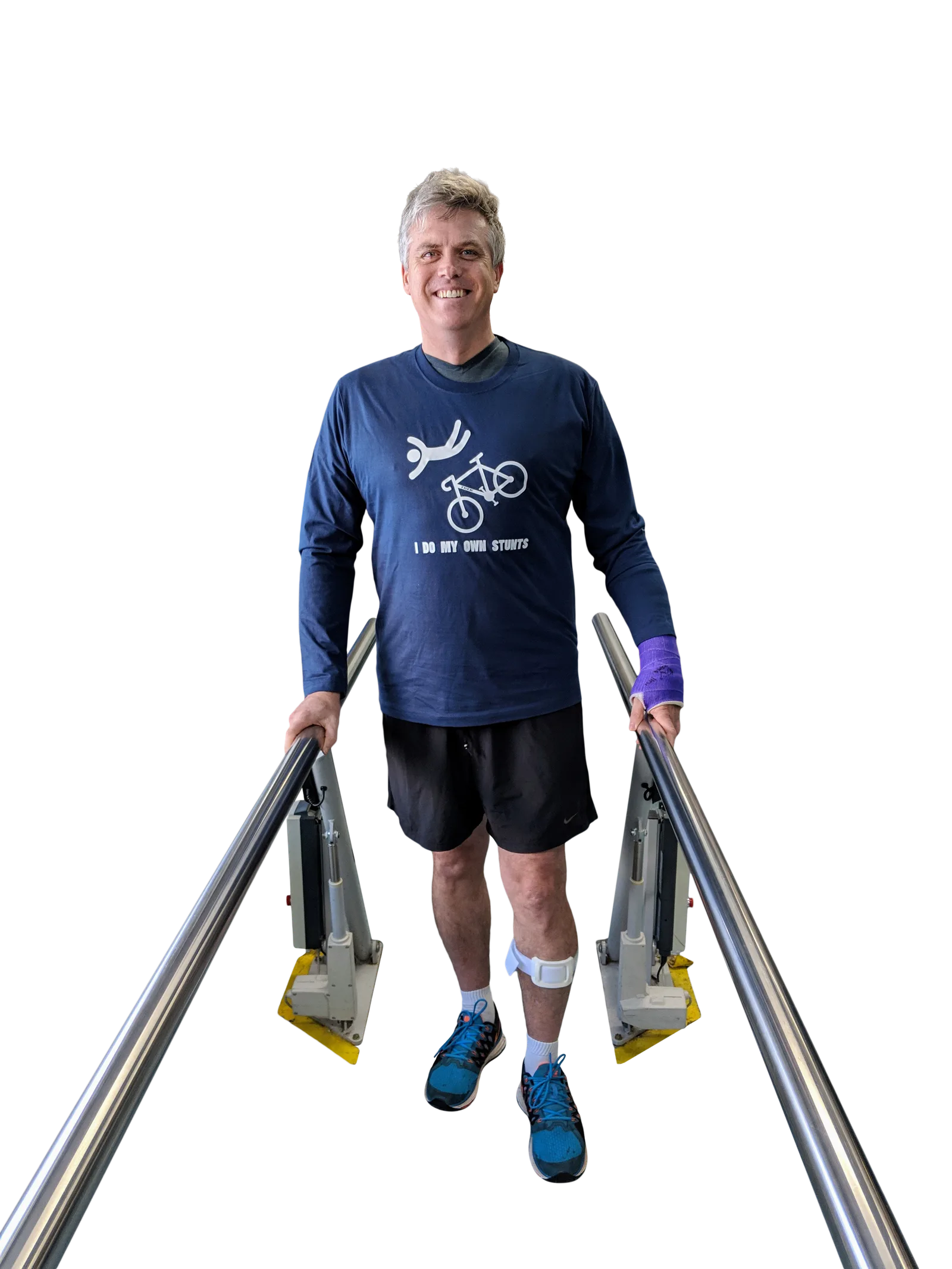
You describe the book as more than a survival story, as a playbook for possibility. How did you work out how much practical strategy to set alongside the narrative, and would you shift that balance if you were writing it today?
I felt the stories of my corporate leadership and negotiating experiences were integral to my recovery. I was seeking to share that blended with other people's resilience stories that inspired me. On reflection I could have brought out even more of my corporate experience and crafted more vivid stories about the challenges I faced, whilst still celebrating the impact of others on me. A bias towards humility - which I feel I have - can deprive our reader of the full experience of what we navigated and achieved. This demands that I fully own what I have achieved and can achieve. I guess that is a delicate dance - for me and many others.
When I write today, I use present tense more often. I want to deepen my reader's connection with the scene and narrative. I don't think I am changing the balance between narrative and practical strategy, but I am sharing more sensory detail when I write, to make my stories stir emotions and stick in memories.
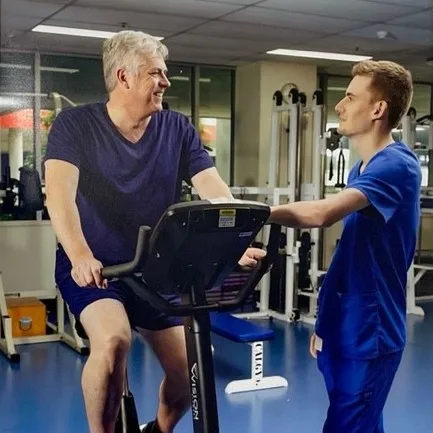
You spent 25 years in high-stakes negotiation, including as Rio Tinto's chief negotiator. Which of those habits genuinely transferred to a hospital bed and a rehab gym, and which ones turned out to be no use at all?
I am sure my capacity to hear and see signals in the way people communicate and then explore for more information and possibility from those signals was vital. When we are alert to these signals, it shifts our mindset towards curiosity and opportunity, which helps us look and move forward. It also deepens the connection we feel with those treating, coaching or caring for us, which can create commitment and momentum.
I am not sure there was anything that was no use at all, but there were traits that needed to be managed. Independence and pride in my capacity to achieve were powerful enablers of my corporate career, but they left me prone to isolation if I didn’t remind myself to seek and embrace help. That tendency to self-reliance sometimes led me to process and problem-solve “in my head” which consumes energy. I know that when I found the ways to articulate the concern or problem earlier, better solutions were reached sooner. That is just as true in writing as it is in recovery.
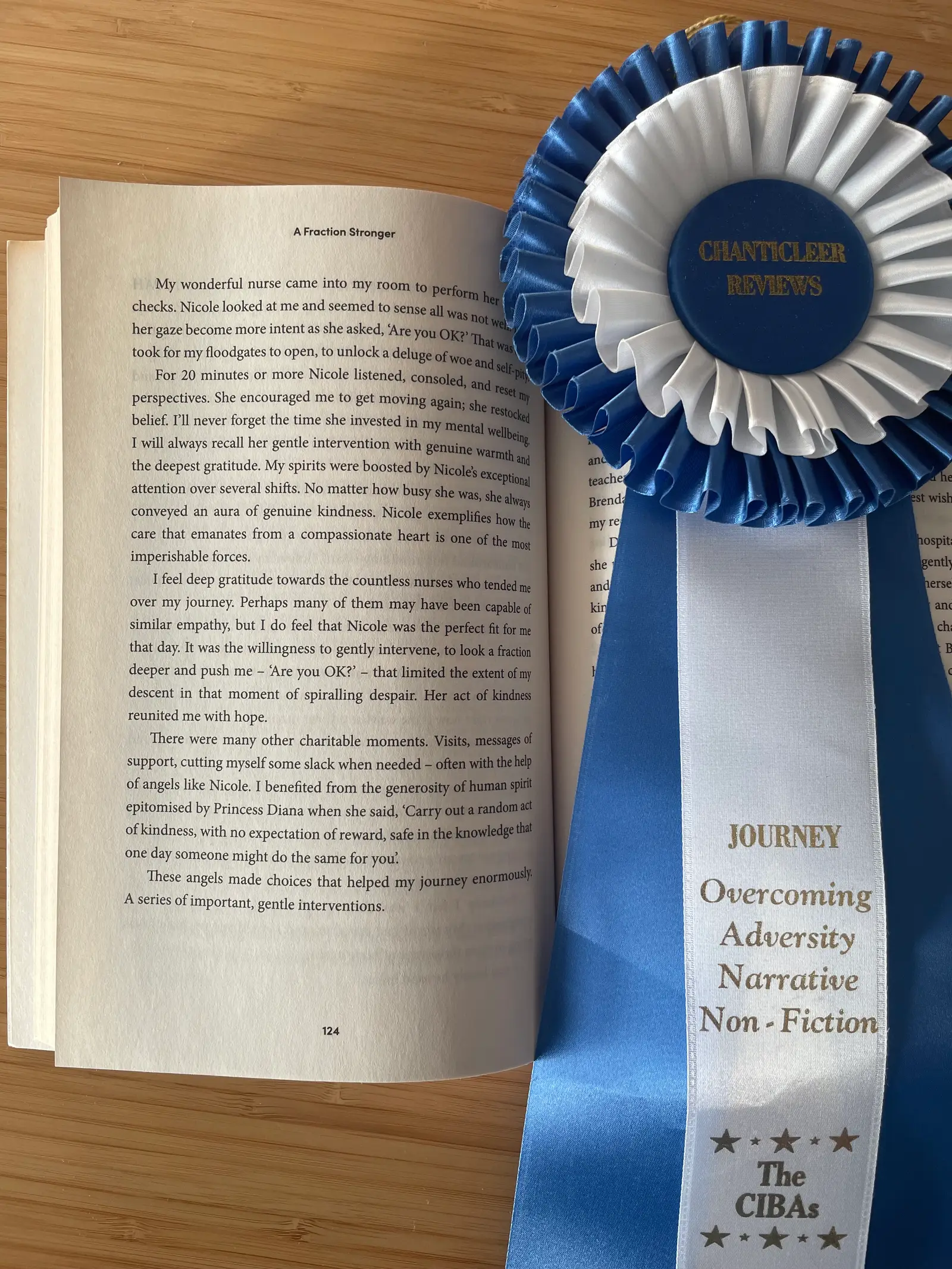
The Finding Your FEET framework came after the book, not before it. What did you come to understand about your own recovery only once you had to teach it to leaders and teams who have never had a crash of their own?
A Fraction Stronger was written around 13 concepts that supported my journey. I wanted to simplify and streamline that to a few actionable steps that had clear applicability in a corporate team setting. That became the foundation of FEET: Focus, Explore, Engage and Trust. Four key themes that I think can help leaders and teams step up when it matters most.
Talking about FEET constantly reminds me that we have all had experiences where we crashed or felt like we might. It doesn’t need to be spine shattering to be meaningful. Teaching people about the power of Focus, Explore, Engage and Trust always generates conversation about times where these themes were important to each participant.
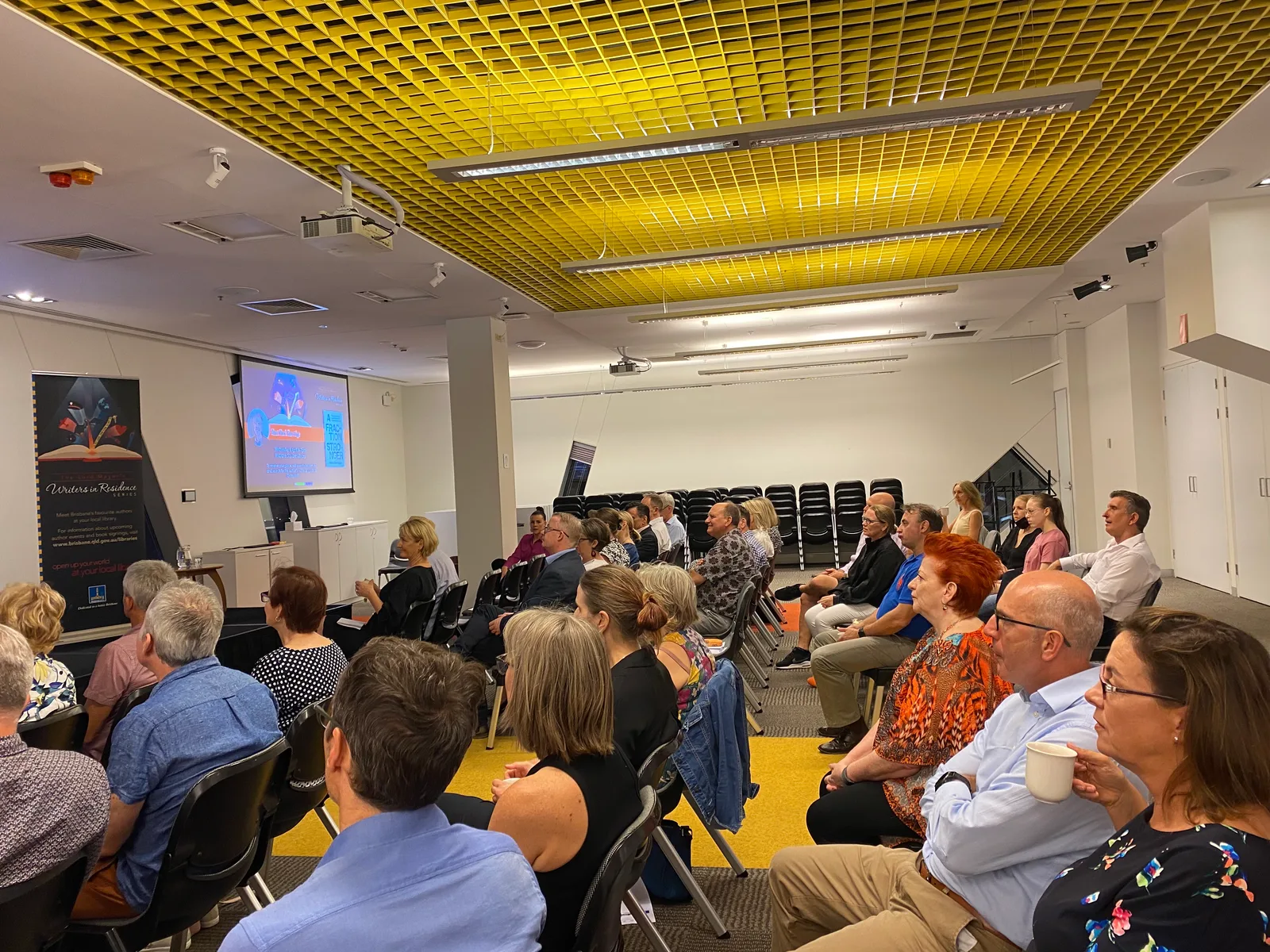
Resilience material is everywhere now, and a lot of it is assembled rather than lived. What do you think still cannot be faked in a book like yours, and what would you say to an expert who is sitting on a hard personal story and wondering whether to write it?
We are all unique: in our learning styles; in what engages us; in what we might need right now. Or tomorrow.
Sharing a hard personal story helps people link their specific situation to your story. To a way forward that worked for someone and may work for them. Most of all it can help them reconnect to themselves - what works for them. How they can take their next little step that will change their perspectives.
Academia and research on resilience are valuable. But as humans, we bloom with that sense of connection and belonging. The hard things we find a way through - that we have the courage to share - do forge bonds that never break. I know. A Fraction Stronger has done that for me and many readers. And your story can too.
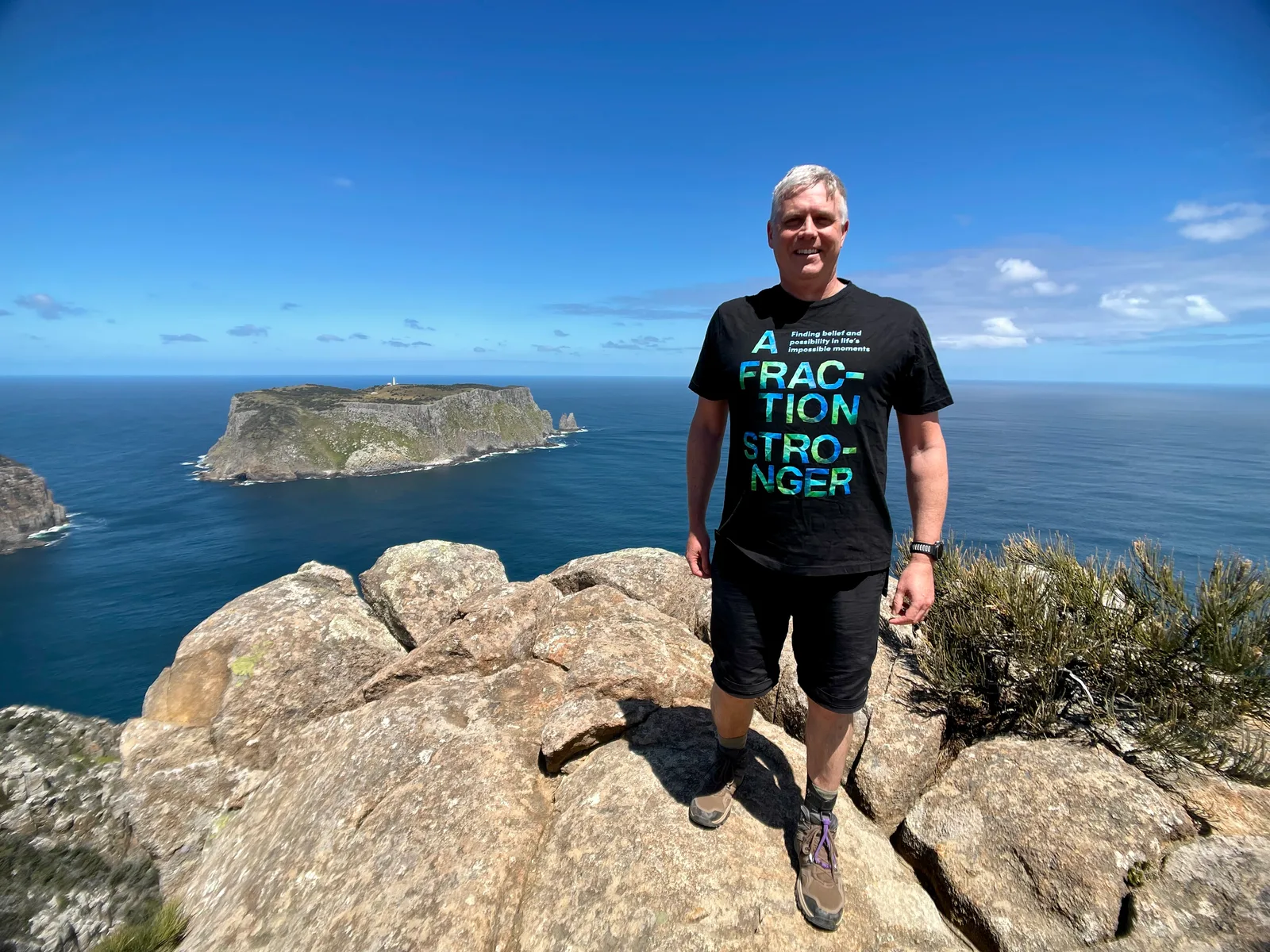
If you could share one moment as an author that blew you away, what would it be?
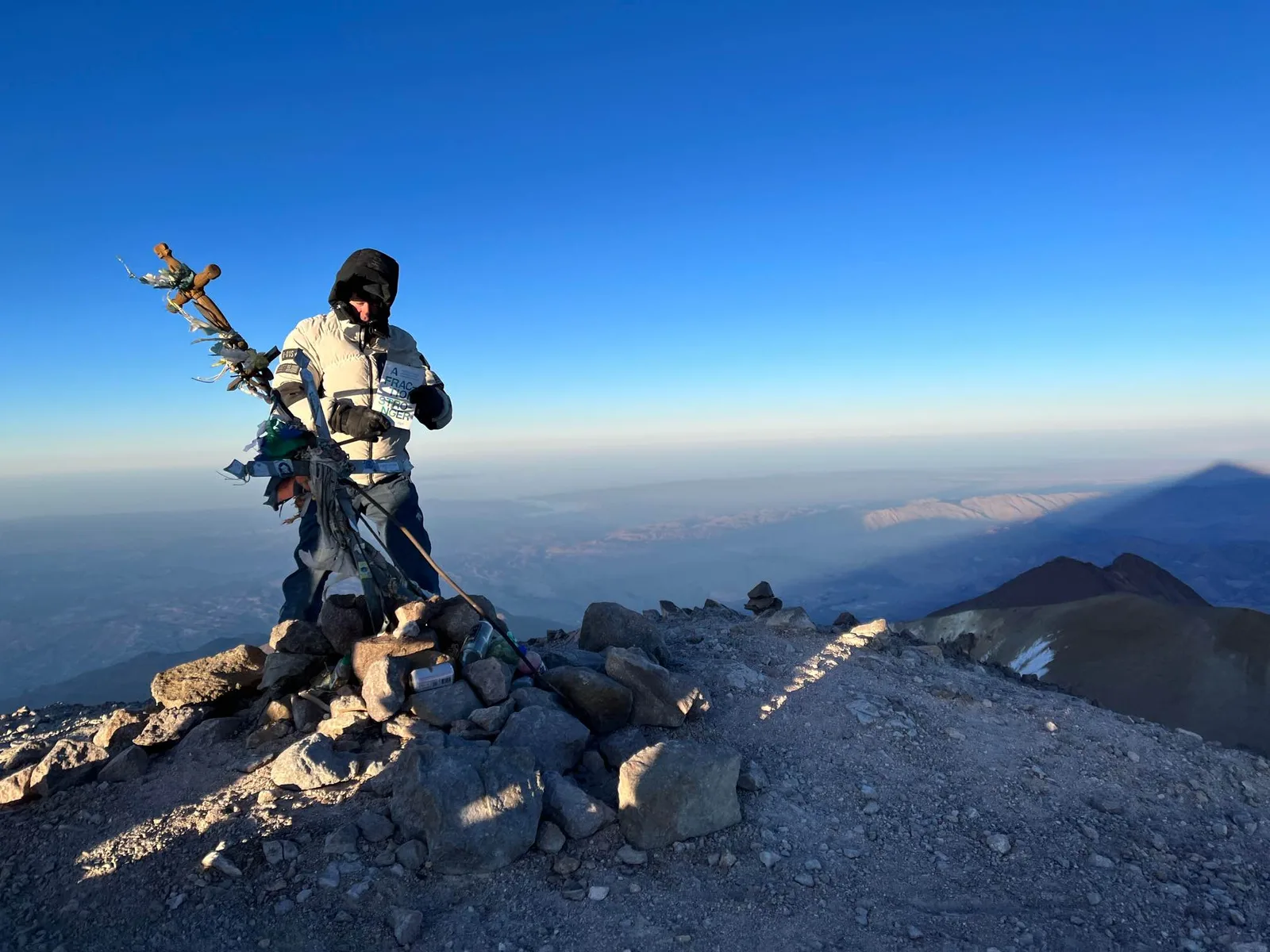
A surprise photo that arrived via LinkedIn messaging, about 7 months after A Fraction Stronger was published. Someone I had worked with 12 years before - that I had only occasional contact with - hiked to the top of a mountain in Peru: Chachani, 6,057m. Carrying my book. His only words with the two photos: "Marketing or mental".
When he got back to Australia I asked about it, all he said was "I was reading it when I booked the climb so thought it was apt."
You never know what your words might unlock or inspire in someone, once you choose to share them.
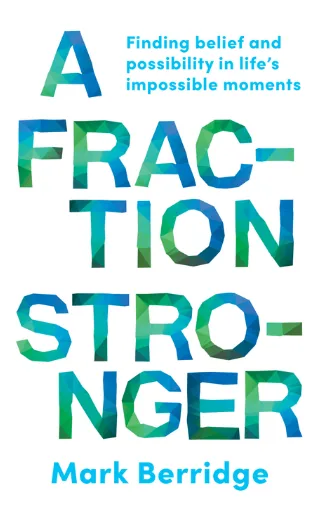
A Fraction Stronger is available from Booktopia, Amazon or Mark's website.
You can find Mark at markberridge.com.au and connect on LinkedIn.
Oscar Trimboli on how to listen
Faye Evans on Soulful Simplicity
Jacqui Clarke on Stop Worrying about Money