


Emma Lagerlow's five pillars put self-worth first and money fourth, a sequence she says she would keep today. She talks about the exercises readers find hardest, the busy cycle she left behind when she quit a 25-year corporate career in 2021, and why a first draft should not try to do the final draft's job.
Worthy and Wealthy argues that true wealth is built from five pillars, with self-worth sitting ahead of anything financial. Now that the book has been in readers' hands for a while, has that central claim held up, or have you seen where it needs qualifying?
Yes, the central idea has held up, and my belief in it is stronger than ever. Since the book was published, its framework has become fundamental to my coaching, particularly the idea that self-worth sits at the foundation of a wealthy life.
When we don’t believe we are enough, or worthy of having more choice and fulfilment, it can be difficult to challenge the money beliefs we carry. We might learn the practical steps, but still struggle with what we believe is possible or deserved for us.
For me, an important starting point is unpacking those beliefs. What did we absorb from our parents or primary caregivers, from society and from the expectations around us? Which beliefs do we genuinely agree with today, and which have we carried without ever questioning them?
That process isn’t about blaming anyone. It’s about understanding ourselves and choosing what we want to believe and live by now.
I still stand firmly behind putting self-worth first. That doesn’t mean we need perfect confidence before taking practical financial action. It means recognising that our worth isn’t something we have to earn through our income, achievements or how much we do for other people.
We are already enough. From that foundation, we can begin creating wealth in its fullest sense, not just financially, but through purpose, wellbeing, meaningful relationships and experiences, and the freedom to choose how we spend our time.
You chose to put money fourth rather than first, after worth, purpose and wellbeing. Readers often come looking for the money chapter. What have you learned about what happens when someone skips ahead, and would you still sequence the pillars the same way today?
Financial wealth comes fourth in the book, after self-worth, purpose and wellbeing, with freedom fifth. And yes, I would still sequence them exactly that way.
Having explored self-worth, the question is: who are you, really? Understanding your values helps you find a sense of purpose, rather than moving through life on autopilot or pursuing someone else’s version of success.
Purpose doesn’t have to be a big, lofty mission. It can be about how you want to live, what matters to you and how you want to look back on your life. Once you understand that, you can start asking what financial resources would support it. You might discover that the life you want requires less money than you imagined, or simply different priorities.
Wellbeing comes next because we need to consider how we feel within the life we’re building. Through my podcast conversations on It's a Mindset, the idea that “your health is your wealth” comes up again and again. For me, wellbeing includes caring for our bodies and minds, but also the relationships and experiences that nourish our souls. That’s why this chapter is called Nectar: within the book’s butterfly metaphor, it represents the nourishment that sustains us.
I can’t say what happens for every reader who skips ahead, but I think they risk missing the punchline. The financial chapter helps you consider how to fund your life. The earlier chapters help you understand what kind of life you actually want to fund.
Money matters. I put it fourth so that our financial goals can serve our worth, purpose and wellbeing - and ultimately give us greater freedom to choose how we spend our time.
The book is full of exercises and journal prompts rather than just argument. Which prompts have turned out to do the most work for readers, and were they the ones you expected when you were drafting?
It’s difficult to know which prompts have done the most work for every reader, but I now use many of these exercises throughout my signature coaching program, Become the Butterfly. In that setting, the exercises around core beliefs and values stand out.
Having worked through these questions myself, I knew they could be challenging. It took courage to put the exercises around self-worth first, knowing some readers might shy away from that deeper reflection. But I believed they could have the greatest impact. There’s something of a chicken-and-egg relationship here: questioning long-held beliefs takes courage, but doing so can help us build the self-worth that makes further change possible. That’s why I wanted to begin there.
The core-beliefs exercise asks us to examine assumptions we may have carried for years or even a lifetime. When a belief feels like a fact about who you are, questioning it can be uncomfortable. Recognising it and exploring a different perspective takes time.
In the values exercise, one question asks us to reflect on moments when we felt regretful, frustrated, empty or annoyed. Those feelings can offer clues about what matters to us and where our choices might be out of alignment.
The money-mindset and negative-money-habits exercises bring that reflection into everyday behaviour. Looking honestly at spending patterns - and the feelings or situations behind them - can be challenging. The aim is to understand those patterns and make more conscious choices, without adding shame.
Another exercise I’d highlight is Stephen Covey’s time management matrix. Quadrant two contains things that are important but not urgent: meaningful relationships, wellbeing and enriching experiences. For people juggling the responsibilities of life, these can repeatedly get pushed aside by whatever demands immediate attention.
Seeing that on paper can be a hard pill to swallow. You might say your relationships matter most, then realise how little protected time they receive.
I’ve loved hearing from readers who describe the book as life-changing, particularly because it has helped them recognise what really matters to them and begin answering the question: “What do I want?” I’m grateful for that impact. These are questions I’ve worked through in my own life, so it means a great deal to see the reflection become useful for readers and clients too.
The common thread is awareness. These exercises make space to examine things we might otherwise rush past. Their value isn’t simply that they’re difficult; it’s that they help us notice the gap between what we value and how we live - and decide what we want to change.
You left a 25-year corporate career in 2021 and wrote about breaking free from the busy cycle. What do you understand about that cycle now, after years of coaching people through it, that you did not understand when you were writing the manuscript?
I left my corporate career in 2021, and when I think back to that period, I was living largely on autopilot. A good day meant getting the chores done and not telling anyone off. I was full to the brim, ticking the boxes and living for the weekends.
The weekend became my reward for getting through the week. But I would overindulge, struggle through the following week and repeat the cycle. I was getting everything done, but I wasn’t really asking whether the way I was living felt good to me.
What coaching has deepened for me is the importance of defining success on your own terms. I understood that when I wrote the book, but I now appreciate more clearly how difficult it can be to step away from a version of success you’ve spent years pursuing - or that everyone around you seems to value.
Busyness can sometimes keep us from examining that. If we’re always doing the next thing, there’s little space to ask whether we actually want the life we’re working so hard to maintain. Of course, people also have genuine responsibilities and pressures; not every full calendar is a sign of avoidance or misalignment.
What I understand better now is that breaking the cycle involves more than managing time. It means understanding who you are, what you value and what enough looks like for you. Otherwise, you can become more efficient at living a life that still doesn’t feel like your own.
For me, success now includes how I feel during the week, the quality of my relationships and the freedom to choose how I spend my time. I want to enjoy the life I’m creating, rather than spend most of it waiting for the next opportunity to escape.
A book sits differently in a practice than a podcast episode or a course does. What has Worthy and Wealthy made possible in your coaching work that the It's a Mindset podcast and your programs could not, and has it changed who arrives at your door?
Worthy & Wealthy has become an important source of authority and credibility for my work, but its biggest contribution has been helping me clarify my coaching methodology.
Writing a book required me to bring my ideas together, examine how they connected and explain them clearly. The framework around worth, purpose, wellbeing, financial wealth and freedom gave me a more coherent foundation for my practice. That process strengthened my confidence as a coach because I could articulate the thinking behind my work more clearly.
The podcast serves a different purpose. It allows me to explore new ideas, hear different perspectives and keep learning. Each guest brings something different, and I value that openness. The book is a substantial, lasting expression of my own thinking at a particular point in time - something both my readers and I can return to.
It also gives people a way to engage with my approach before working with me. They can reflect privately, try the exercises and consider whether the way I think about wealth and fulfilment resonates with them. The framework supports our coaching conversations without dictating what each person needs.
There are more people coming to my work as a result of the book. I can’t say that it has changed the type of person who arrives, but it has broadened the ways people discover and connect with me.
For me, the book, podcast and coaching complement one another. The book brings my thinking together, the podcast keeps expanding it, and coaching creates space for someone to explore what it means in their own life.
Looking back at the whole process of getting the book written and out, what is the one lesson from it that still shapes how you work, and what would you do differently if you were starting the next one tomorrow?
The biggest lesson has been learning to trust what I have to say - and being willing to share it without having everything perfectly resolved.
Writing Worthy & Wealthy strengthened my belief in this work. Bringing the ideas together, working through them myself and hearing how they’ve helped readers has given me greater confidence in the role personal development can play in creating a more fulfilling life.
It also changed my relationship with vulnerability. I shared personal experiences that felt exposing at the time, and my relationships survived. That mattered. I’m less worried now about showing the unfinished, human parts of myself, rather than feeling I need to speak from a place of having everything figured out.
If I were starting another book tomorrow, I would bring much less perfectionism to the first draft. I spent a lot of time second-guessing and refining words before letting anyone else see them.
Now I understand the value of getting the ideas onto the page and allowing the right people to help shape them. A good structural editor can help you see what belongs, what needs developing and how to make the reader’s journey clearer, while preserving your voice.
I would still care deeply about the quality of the finished book. But I wouldn’t expect the first draft to do the job of the final one. My responsibility is to bring the ideas, honesty and willingness to do the work - and then be open to the expertise that helps make it a better book.
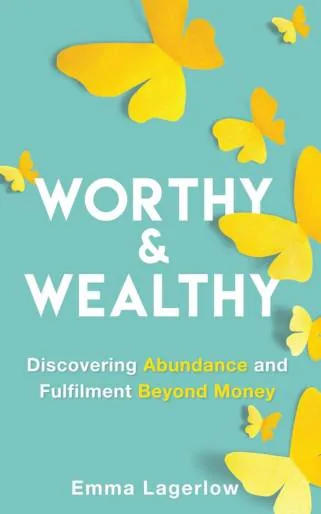
Worthy and Wealthy is available from Booktopia, Amazon or Emma's website.
You can find Emma at emmalagerlow.com and connect on LinkedIn and on Instagram.
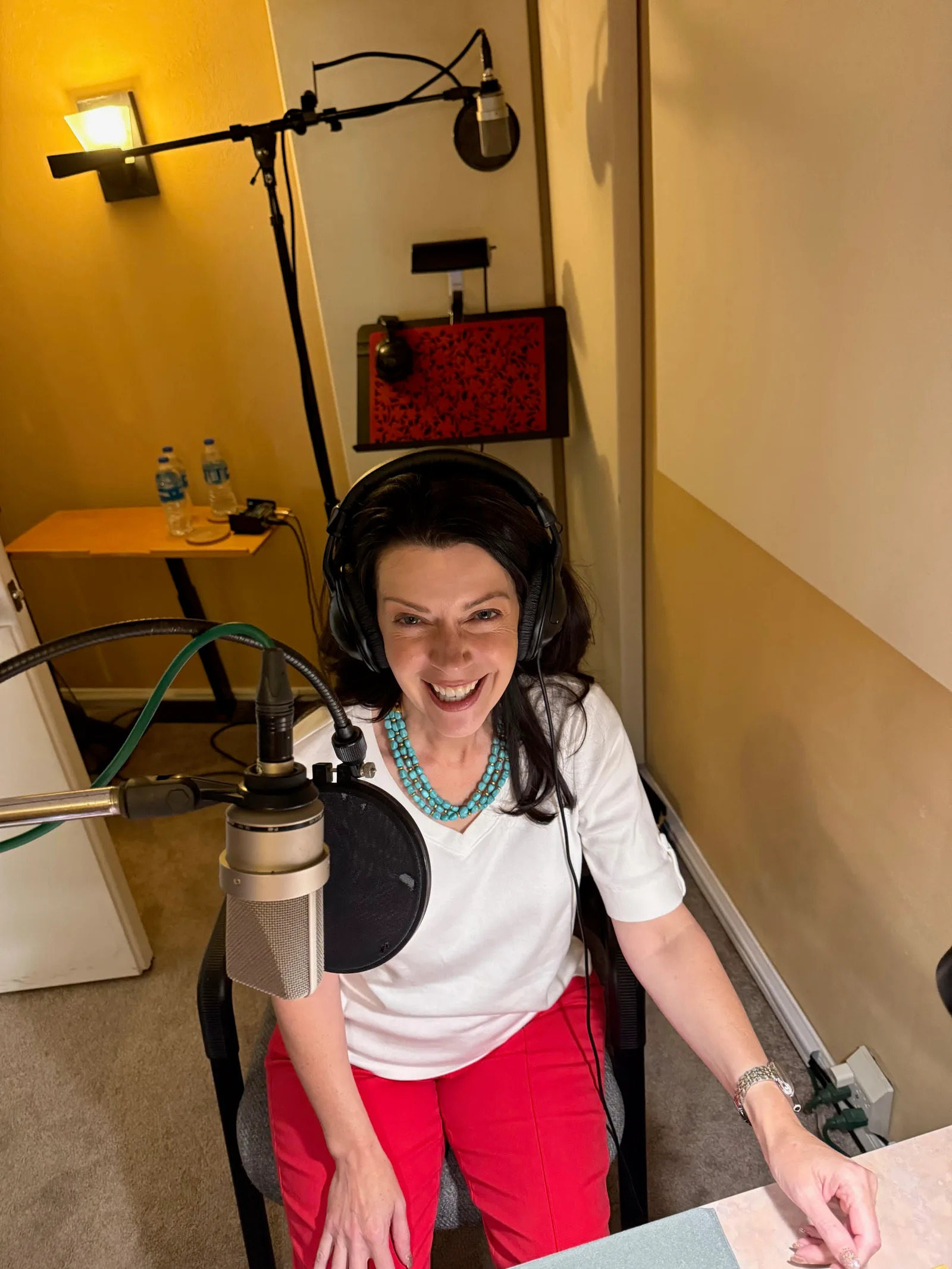
TyAnn Osborn on A Life Aligned


Graeme Cowan on Great Leaders Care: Developing Safe, Resilient and Successful Teams
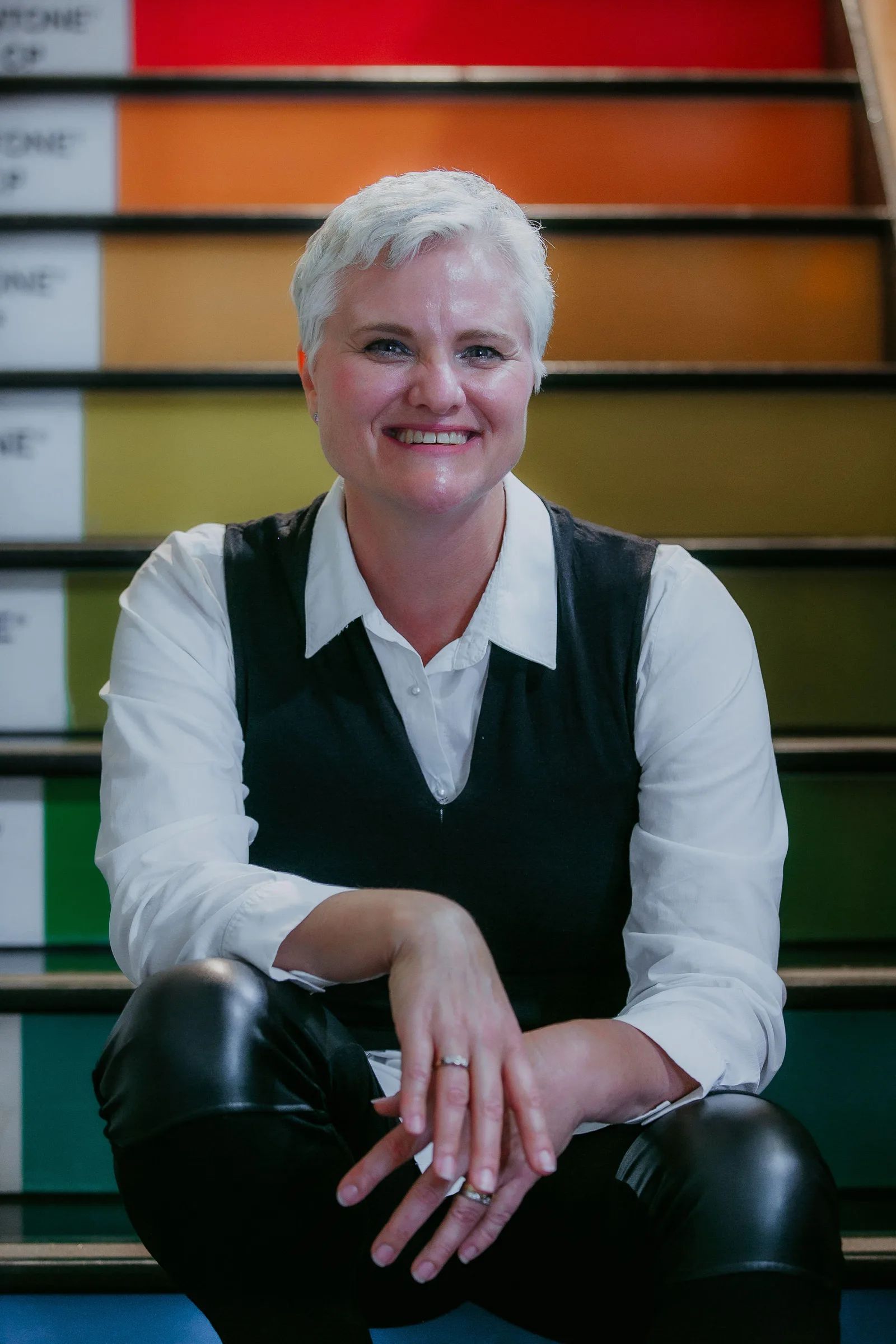
Jo Muirhead on The Entrepreneurial Clinician