
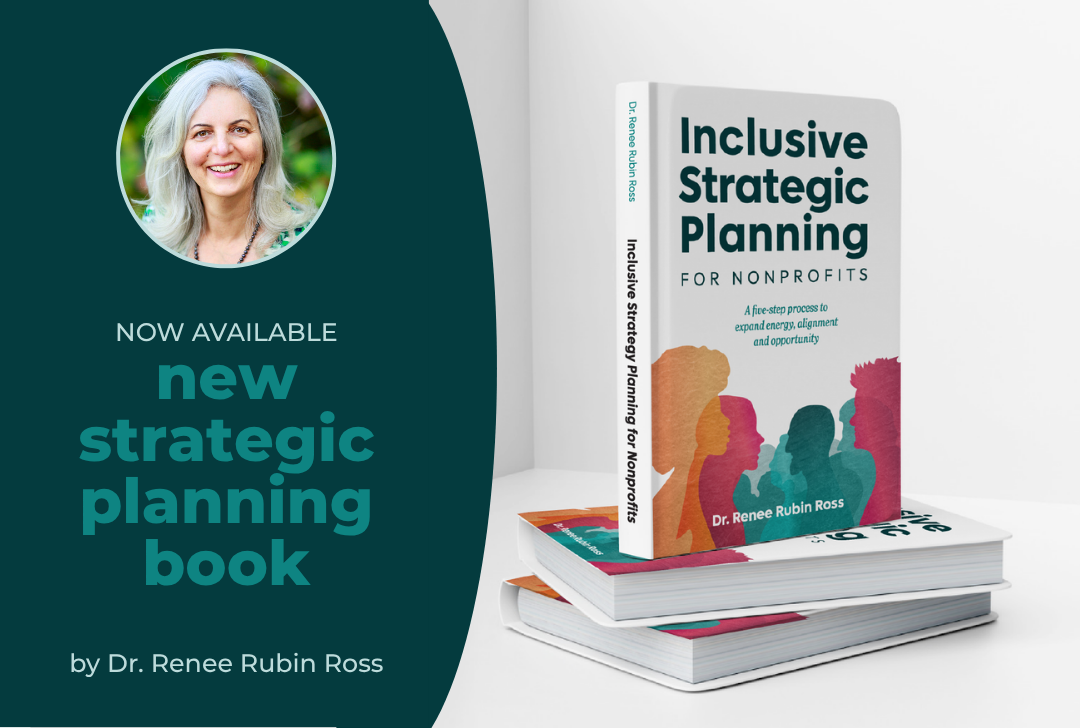
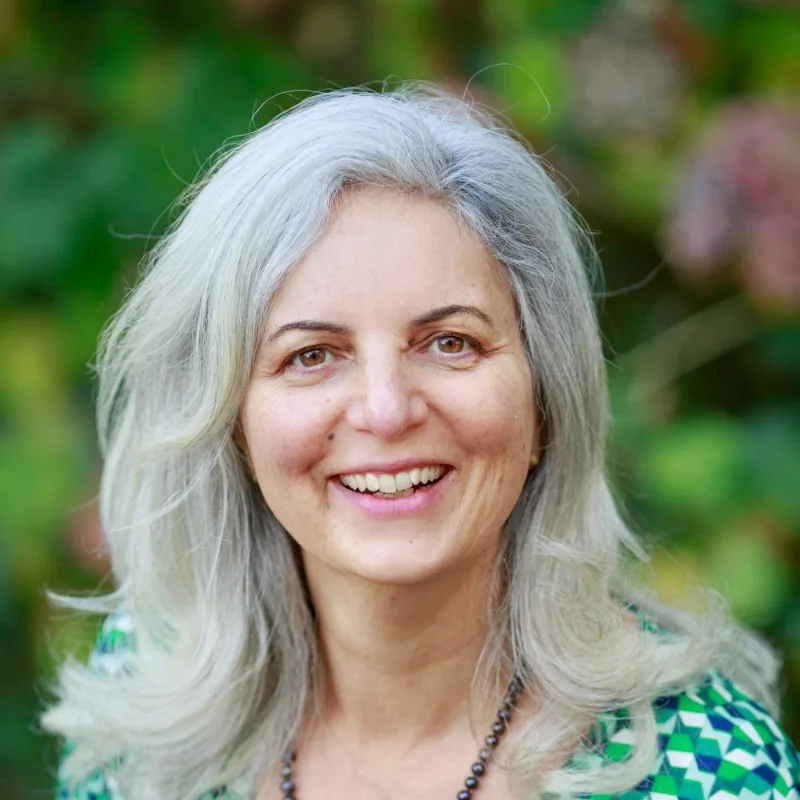
Dr Renee Rubin Ross turned years of facilitating nonprofit strategic planning into a book, and roughly 100 beta readers told her the "basic" steps she ran on autopilot were the ones they most needed written down. She talks about the "Step 0" she had not seen until readers pointed at it, why polished plans get shelved, and keeping equity language in the book as federal pressure mounts.
You have been designing and facilitating participatory planning processes for years before writing any of it down. What did putting the work on the page force you to articulate that standing in a room with a board or leadership team never required you to?
The book was initially created as a way to answer all of the questions we were getting from our strategic planning clients. Strategic planning can feel confusing and overwhelming, so I hoped to have a resource that I could hand to clients to help them better understand the process.
After I wrote the initial manuscript, I got A LOT of feedback from the beta readers, about 100 people around the US working in the nonprofit, funder, and government sectors.
One thing that surprised me was how much “basic” information beta readers felt was important to include. For example, readers wanted a detailed checklist for the strategic planning retreat. I have that information in my head --moving through the checklist is so automatic that I didn’t initially think it was that important! That is a “curse of knowledge” problem, and there were others like that throughout the writing process.
As the manuscript developed, one very insightful beta reader asked who the audience was for the book: Was it just clients of The Ross Collective, or was it broader? After some reflection, I realized that it needed to be something that could be used by leaders to lead strategic planning without us. So the tone needed to shift from, “work with The Ross Collective” to “here are the steps you can take to do Inclusive Strategic Planning”.
The book is built around five steps. How did you arrive at five, and what did you have to cut, merge or demote along the way to get there?
Something funny happened as I was writing the book. I started with the five steps, which I had written about in The Ross Collective blog over the past few years to explain Inclusive Strategic Planning. Then some beta readers asked whether there was another step of readiness for strategic planning that might last a few months or even years? When potential clients reach out to us, they’ve already moved through that step. So I hadn’t thought too much about that step before! At that point I realized there was another step. In the book, it’s called “Step 0”. :)
Strategic planning has a reputation in the nonprofit sector for producing a handsome document that nobody opens again. Having now written a whole book about the process, what is your diagnosis of why that happens so often?
Wow, so many different reasons. Some organizations are required to create a strategic plan, so they do it as a performative exercise rather than investing thoughtful time in it. Many leaders don’t really understand what strategic planning is, and don’t have the time or resources to run a thoughtful, inclusive process.
But more deeply, when this work is done “right,” it involves behavioral change. A great strategic plan does not only reach towards the best work that a team can do - it also prunes the work that is no longer on mission or impactful. Determining that takes a thoughtful series of conversations, significant time investment, and openness to working differently.
Leaders often assume that inclusive means slow, and that widening the circle of voices will stall a decision. What does your framework actually do with that tension, and did writing it change your own view of where participation genuinely costs an organisation something?
In the book I talk a lot about “process and product” -- the idea that the conversations around planning are as important as the Strategic Plan that is created at the end. Investing time in the process creates ownership. After participating in the process, staff and board members understand how the mission, vision, strategies and goals were created and feel that their perspectives were included in building these. So it may cost more in terms of time, but there is a tremendous payoff to this investment.
Your work has always named racial equity explicitly, and the book arrives at a moment when that language is under real pressure in the US nonprofit and funding landscape. Has that shifted how you write and speak about this work, or hardened your resolve to keep the words where they are?
A key idea of Inclusive Strategic Planning is that people’s perspectives matter in planning - and that the people who are going to be doing the work should build the vision and goals for that work, based on their perspectives and lived experiences. And, as I discuss in the book, this includes the idea that who is in the front of the room matters in terms of organizational leadership and those leading the process. In our work, I am often leading strategic planning as part of a cross-race team.
My commitment to equity has not changed. Because of the destructiveness at the federal level in the US, we have gone backwards in many ways that are both heartbreaking and rage-inducing. And we continue to meet many leaders who also hold the value of equity - and building a world in which all people thrive -- deeply. If someone is scared to read the ideas expressed in the book or offended by them, they’re not my ideal reader!
Now that the ideas are out in front of boards, staff, funders and your students at Cal State East Bay rather than held inside your own practice, what reaction has surprised you most, and what would you tell a consultant sitting on twenty years of method and wondering whether it is a book?
The book has evoked so many wonderful reactions! Here are two recent stories:
At the end of a planning retreat, we asked participants to share an insight from the day. One participant shared that, “This was amazing…we did ‘Inclusive Strategic Planning’!” I was thrilled to hear her talk about it in this way and see that by putting the ideas into a book, there is now a process -- a piece of intellectual real estate--that people connect with me.
Today on a potential client call, I shared that this year I wrote a book on Inclusive Strategic Planning and held up my copy. She then pulled out her copy which she had ordered recently and is reading!!!!! That definitely made my day.
As I shared at the beginning of this interview, you know more than you think you know! It is so rewarding and worthwhile to take the time to put it into a book.
What should future authors know about writing a book?
Community is so important throughout the process of writing a book. The Expert Author Community got me started in the writing process. While it took me a while to write the book, I continued to utilize the materials from EAC throughout writing - the format of the book (loosely) follows Kelly’s outline! I also felt supported by the community of beta readers, my network of nonprofit leaders and consultants, and local and national connections who boosted the book and are still boosting it. We are all better when we get support, feedback, coaching and accountability from others.
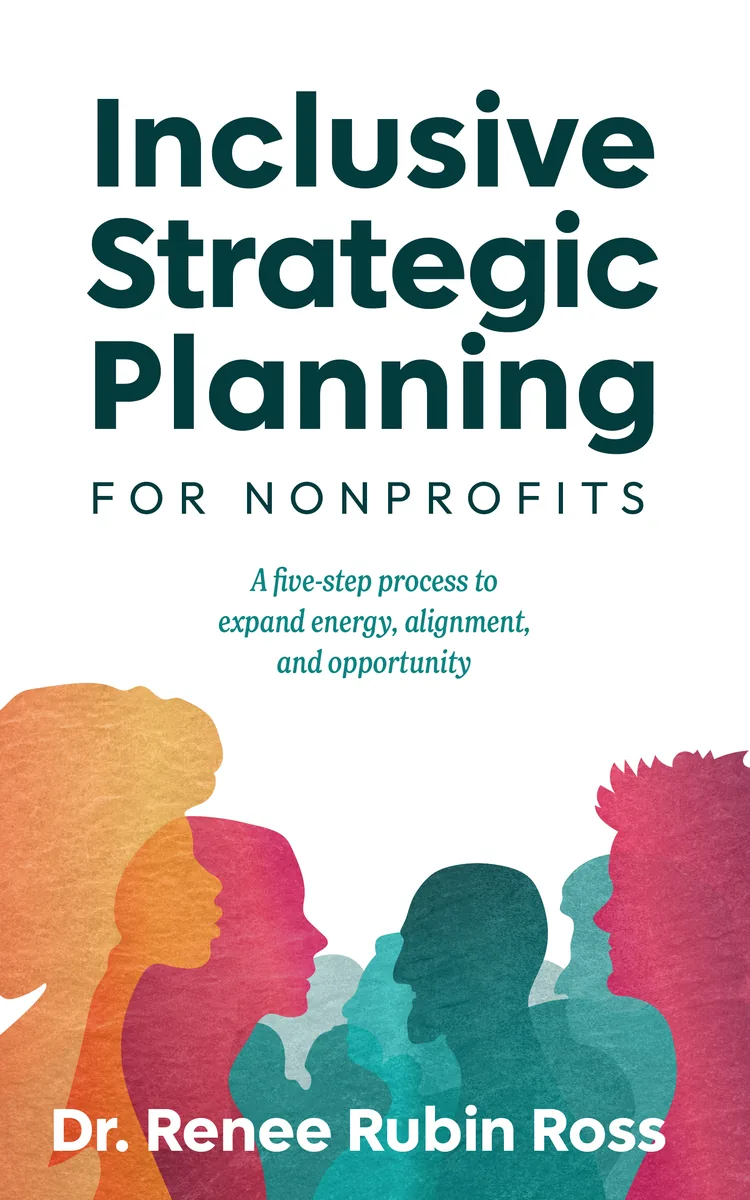
Inclusive Strategic Planning for Nonprofits: A Five-Step Process to Expand Energy, Alignment and Opportunity is available from Amazon or Renee's website.
You can find Renee at therosscollective.com and connect on LinkedIn.
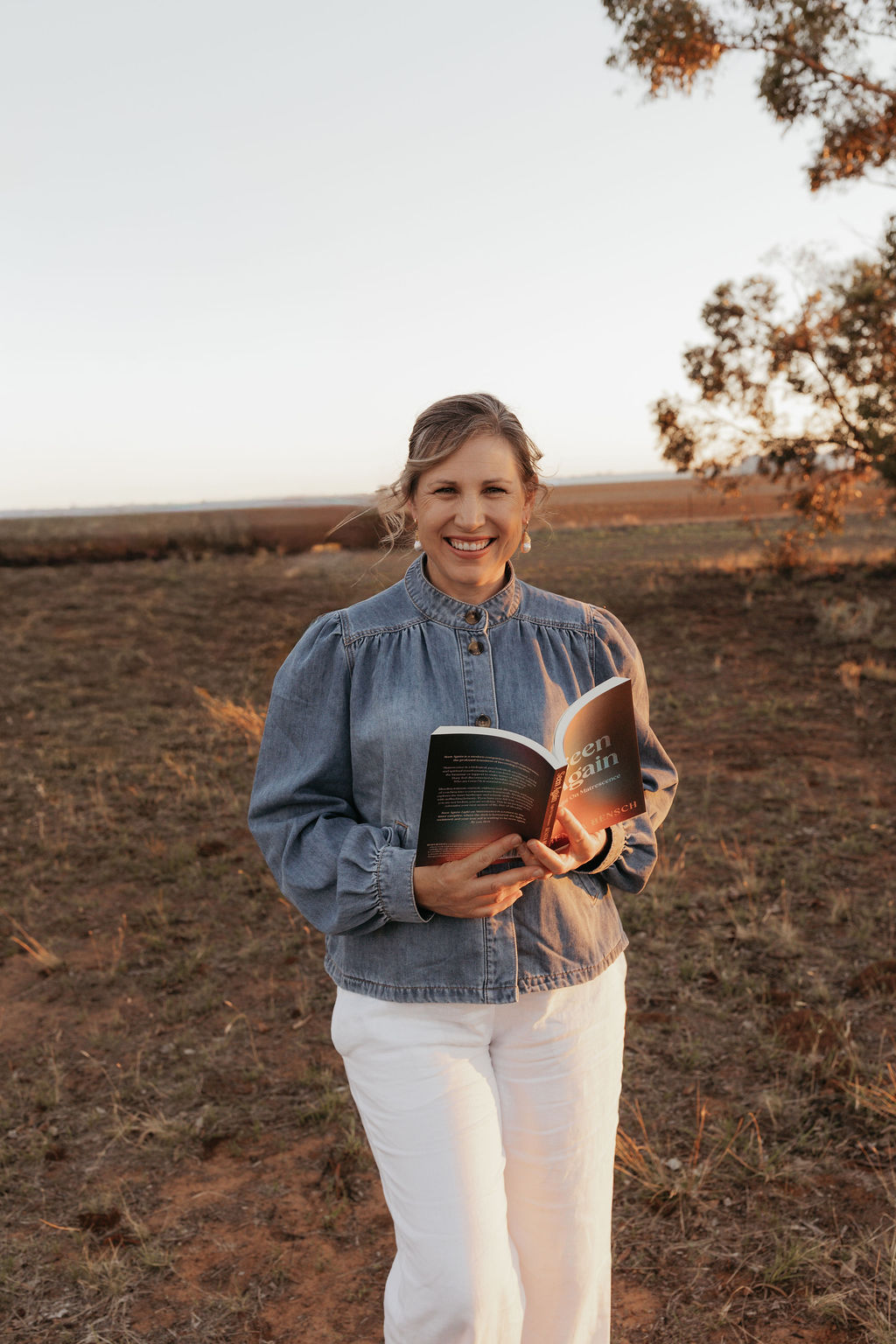
Benita Bensch on Seen Again


Kerryn Harvey on Mostly Ups
A Help Sign Where the Conclusion Should Be: Lessons From Our December 2025 Community Book Launch