
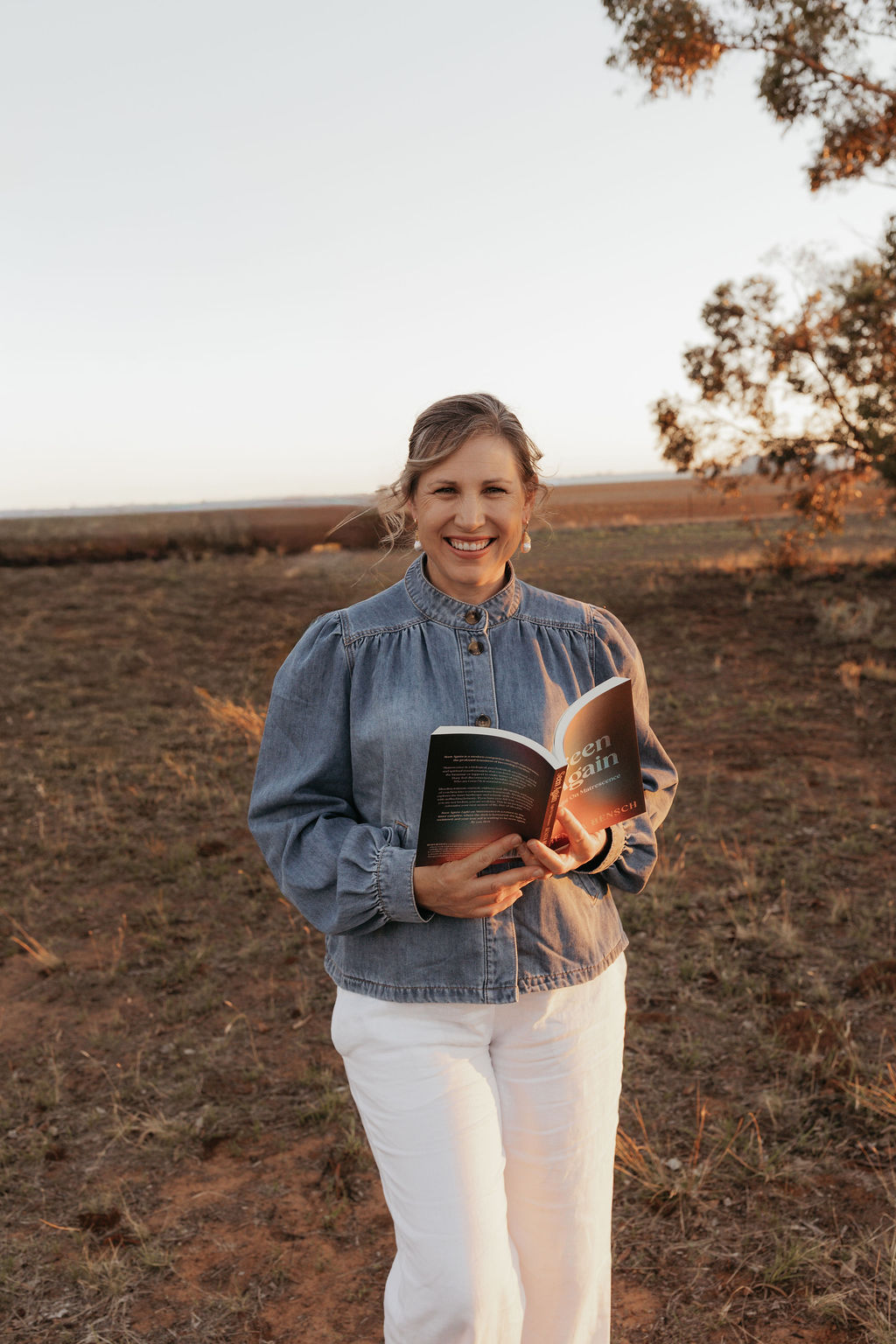

Benita Bensch on why naming matrescence changes what a woman can do with the experience, what invisibility looks like for women in farming families whose labour is absorbed into the land, the business and the household at once, and why the section on intrusive thoughts was the hardest part of "Seen Again" to write.
"Matrescence" is still a word many women meet for the first time only after they've lived it. What does naming the experience actually do for a woman who has been calling it something else, or nothing at all?
Naming matrescence gives us language to explain one of, if not the most, profound transitions we will go through as a woman. When we can name and understand something, we are better equipped to move through it.
Imagine if we had never named or understood adolescence, and so couldn't prepare ourselves for it or talk about it with our children. Imagine how unprepared, confused, invisible, even ashamed they might feel navigating all of those changes. It is similar with matrescence, the developmental transition to becoming a mother. Giving it a name makes the experience real. It normalises it. It helps you know that whatever you are going through is normal and okay and not in your head, and that it is a change that is universal while also being unique to you. It is bigger than you, too - you are part of a universe full of mothers going through the same change.
It might not explain everything you are experiencing, but it gives language to so much of it. And when we have language, it creates a path to knowledge and understanding, and to everything that flows from those.
The title "Seen Again" carries a whole arc in two words: seen, then unseen, then seen once more. What is the "again" pointing to, and was that framing there from the first draft or did it arrive later?
The "again" points to the journey we go on. Before motherhood, we might feel seen and valued in our work and in our relationships - often valued, and valuing ourselves, more for what we do and contribute than for who we are. Then, moving through matrescence, we feel unseen, invisible. That is what I hear from so many women and what I experienced myself. From there we have the opportunity to learn how to feel seen again, which often starts with seeing ourselves first, in a new light.
The framing was there from the first draft, right from the concept stage. The title didn't arrive until later, once I had clearly identified the story arc and what I call the illumination journey in the book. So the movement between feeling seen, unseen, and seen again was strongly there from the beginning. The title wasn't.
You work closely with women in farming families, where a woman's labour is often woven into the property, the business and the household all at once. What does invisibility look like in that setting specifically, and how did writing about it change how you describe it?
For women in farming families, invisibility looks like her labour being woven into the land itself, the management of that land, the farm business, the household, and the caring or mothering role, which is distinct again from running a household. Her energy, her capacity, her gifts and skills are all absorbed into those roles. Her wants and needs disappear under the demands, the urgency and the apparent higher priorities of everything else.
What I see specifically is women's desires, hopes and dreams becoming invisible beneath the importance of the farm business. The farm business takes priority because it is, in inverted commas, making the money during those early years of raising children. So it becomes difficult and exhausting, and a strain on relationships and on her mental health and wellbeing, to advocate for what she wants - both within the existing systems of the farm and household, and beyond them, carving her own way outside those roles. Those opportunities might be paid or unpaid, but they can be dismissed so easily that pursuing them becomes too hard, and she feels invisible beneath the multiple roles she is carrying.
I didn't find new language for this in the writing, but it became clear to me that "invisible" was the right word, and that the invisible load is a relatable way of describing what she carries. We talk a lot about the mental load, but there is more to it than that. The invisible load encompasses more than mental labour, and women in farming families carry it silently, not always willingly, sometimes under sufferance, to uphold the invisible rules of farming family dynamics, of rural and regional Australia, and of what it means to be in a farming business.
So part of what matters to me is making the invisible visible - shining a light on what she contributes and the value she brings, but also on what she is not expressing and would like to, when she is given the space to do so.
You've spent years holding reflective spaces for women one to one. What did putting matrescence on the page force you to articulate that a coaching conversation had let you leave unsaid?
Writing Seen Again forced me to articulate the framework underpinning everything I have worked on for the last several years: my group programmes, my one-to-one conversations, my retreats, all of it. It became a way of gathering what I had created, making sense of it and bringing it together into a framework that is useful for my business going forward, and that supports how the information is delivered, both in the book and in anything else I want to offer off the back of it.
It also forced me to go deeper on concepts I had been discussing with clients for years. It challenged me to make sure I truly understood them myself, because the best way to learn something is to teach it. If you can express it in a way that is educational or reflective for someone else, then you are genuinely learning it yourself.
Having to squeeze the words out of you like a sieve, and decide what belongs in the book and what doesn't, forces you to get clear on what is most important to communicate. It felt like tying a bow around the work I had been doing for the previous five years.
Writing about identity loss and renewal usually means going somewhere personal. Was there a section of "Seen Again" that resisted you, and what did you learn about your own material by pushing through it?
There is a lot that is personal in Seen Again. Some parts of my story I had shared before, so I met less resistance - I had already broken through that vulnerability barrier. But there were two sections with a lot for me to work through emotionally: the section on intrusive thoughts in motherhood, and, further into the book, the identity shift of moving from Queensland down south, away from the farming family business, which I didn't elaborate on too much. The first task was deciding where my line was: what I wanted to share, and what felt like too much or an intrusion into other people's lives.
What I learned is that pushing through and being vulnerable, even where there is shame, offers exactly what I am trying to teach in the book. I had never shared the intrusive thoughts with anyone, and it was the hardest part to write because I still carried shame about it. But how could I write a book telling other women that intrusive thoughts are a common part of motherhood and that they are okay, when I wasn't extending that same empathy to myself?
Shame thrives on secrecy, silence and judgement, so we have to take the opposite approach. I needed to share those stories and shine a light on them, to make it okay for others and for myself. One of the premises of the book is that shame cannot survive under the spotlight of connection and empathy, and that is what I needed to offer myself.
Vulnerability isn't usually a problem for me. Where there is shame, it is harder. Pushing through the shame helped me heal.
Now that the book is out in the world and readers are responding, what are you hearing back that you didn't anticipate, and how is it shaping what you want to write or say next?
There's not much I'm hearing back that I didn't anticipate. Thankfully, what I'm hearing back is very lovely and affirming that I wrote the book I wanted to, and that it's landing how I intended. Perhaps I've been surprised at the number of people who've said it's a really easy, relatable read. Maybe I thought it was more technical or intellectual, or there were some theoretical concepts in there that might have made it hard work in parts. So I'm pleasantly surprised that that's not the case. Writing Sane Again has 100% made me want to do it all again. [laughs] And I am in the middle of pitching my next book idea to a publisher, which is an extension of transitions. Not just transitions in motherhood, but the transitions in life that we move through. So, it's not a sequel as such, but it is related in a way, and writing Sane Again, which I just loved the process of, has 100% shaped [laughs] that I want to keep writing books
Was writing the EAC book proposal worth it?
I want to express how valuable creating my book proposal with the EAC was. Not only the process of writing it and using it for my pitch to the pitch party, and also sharing it within the EAC for feedback and for Kelly's guidance. I used it repeatedly throughout the book writing and marketing process. I referred back to it when I was tired and trying to remember what I was writing the book for, who I was writing it for, and was able to grab words from it for all sorts of different purposes during and after publication. Or sorry, during writing and then, uh, book, uh, publication time and after publication time. So even though at the time being a f- being the first time I'd used it, it felt like tedious and maybe even thinking, "Does it need to be this detailed?" But it, it helped clarify my thinking and has been a super valuable tool and resource throughout this whole process, so thank you
.webp)
Seen Again: Light on Matrescence is available from Booktopia, Amazon or Benita's website.
You can connect with Benita on LinkedIn.
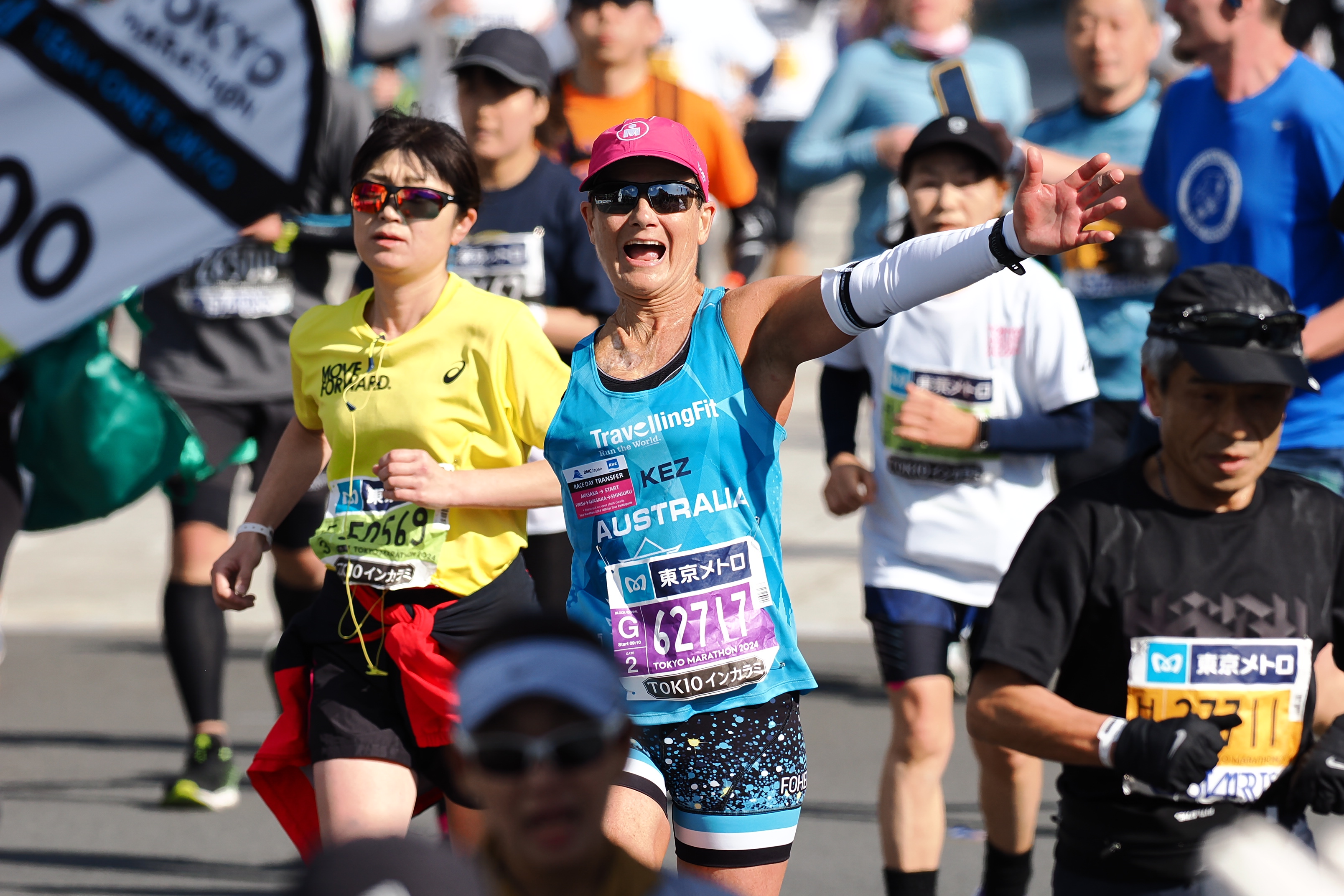
Kerryn Harvey on Mostly Ups

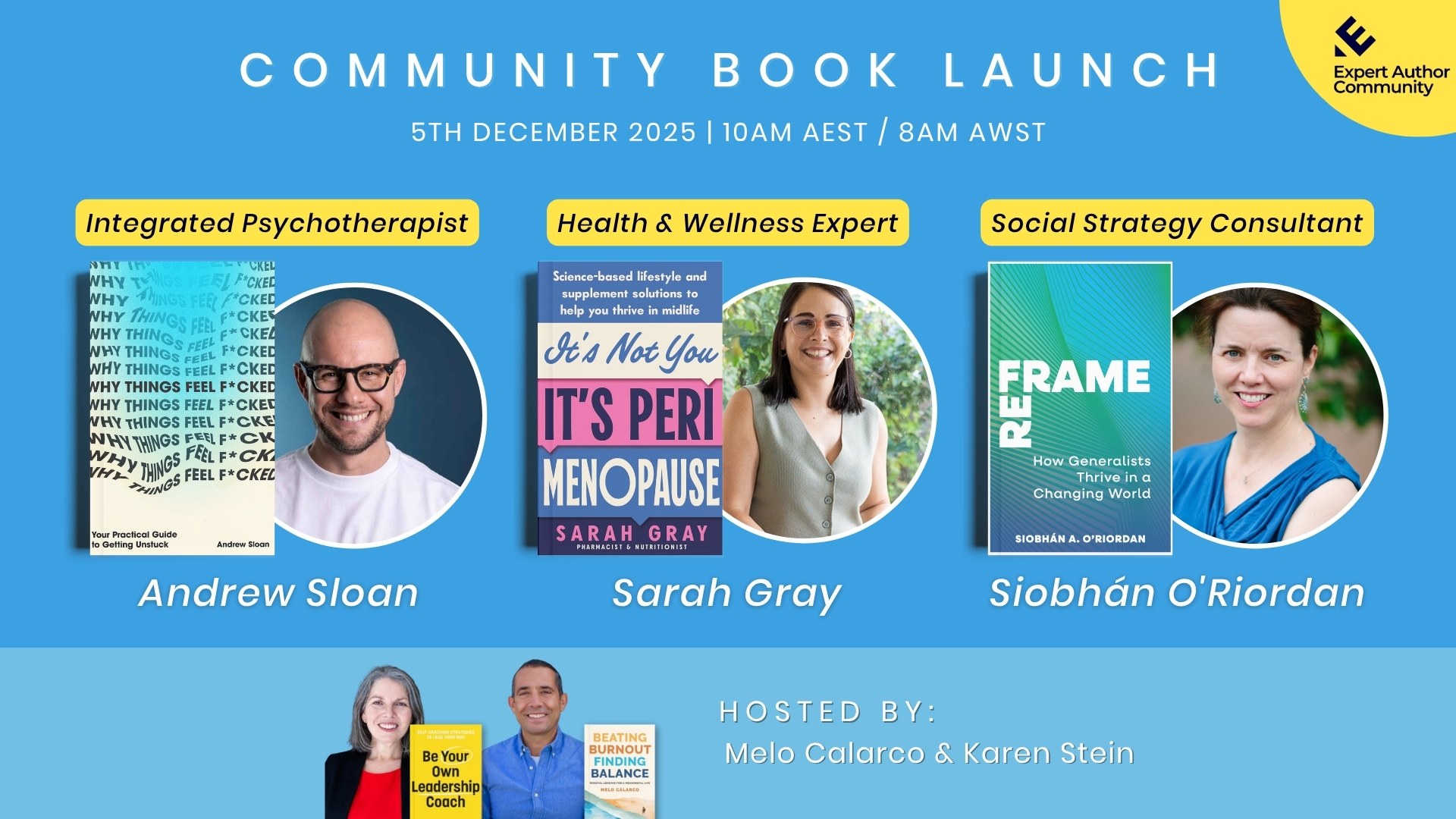
A Help Sign Where the Conclusion Should Be: Lessons From Our December 2025 Community Book Launch
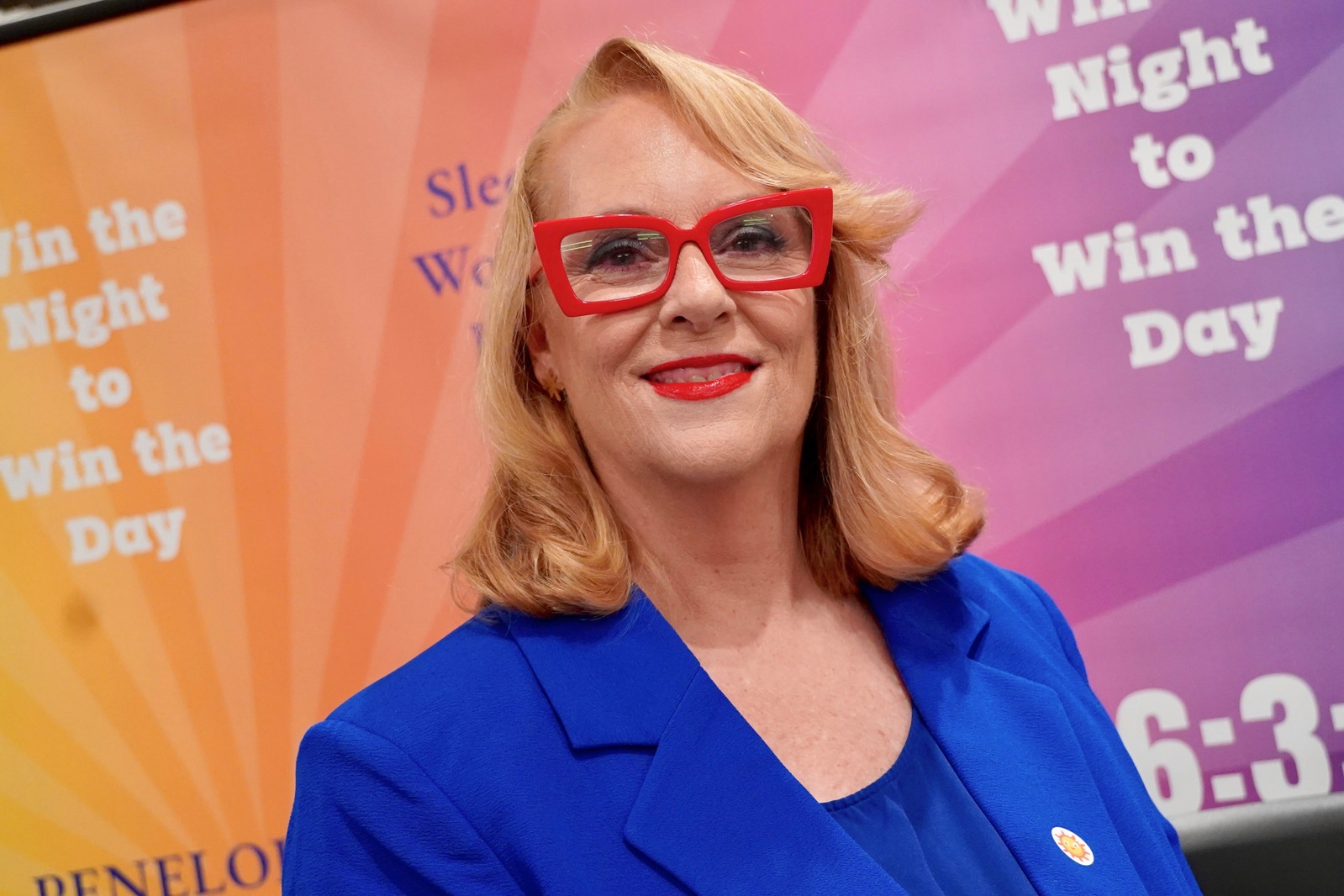
Penelope Barr on Win the Night to Win the Day