


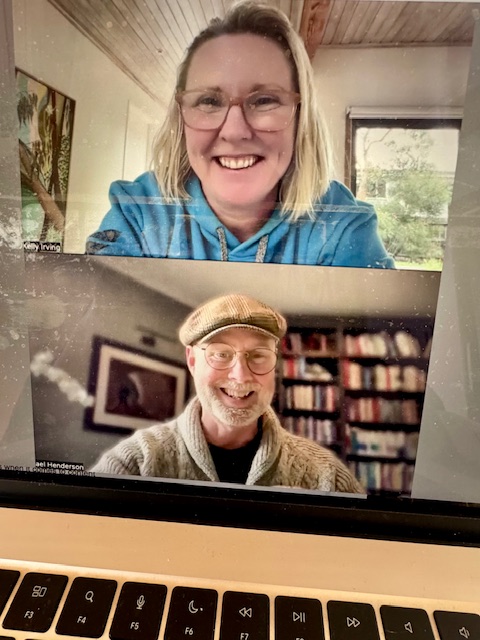
I had a rich coaching conversation recently with experienced author and anthropologist Michael Henderson, who is exploring a new direction: writing a parable.
It reminded me how often writers are drawn to this form for good reason. Whether you are thinking about a parable or a business fable, this style of writing can do something traditional how-to books often cannot. It can carry an idea emotionally. It can make a message memorable. It can help a reader feel a truth, not just understand it.
But it is also easy to get wrong.
A parable is not just a nice story with a lesson attached. And a business fable is not just a business book with fictional characters. When they work, they can be powerful. When they don’t, they can feel preachy, clunky, or oddly forgettable.
So if you’ve been wondering whether a parable or business fable is the right form for your book, here is what I’d want you to know.
.gif)
What is a parable or business fable?
At its core, a parable is a story designed to illuminate a bigger truth.
It uses story to explore an idea, tension, belief, or transformation. It is usually simple on the surface, but carries meaning underneath. The point is not to overwhelm the reader with plot. The point is to open something up.
A business fable is essentially a parable with a commercial or workplace lens. It might explore leadership, culture, change, communication, conflict, trust, or decision-making through fictional characters and situations.
That can be a smart choice.
In a crowded market, a well-written parable or business fable can differentiate you. It can make complex ideas more accessible. It can also help readers remember your message long after they’ve finished the book.
But that doesn’t mean every idea should become one.
Traditional publishers can also be cautious about parables and business fables because they often don’t see a broad enough market for them. That doesn’t mean you shouldn’t write one. It does mean the concept, execution, and positioning need to be especially strong. Chris Helder’s Useful Belief is one example of this being done well with Wiley.
Why parables and business fables work
The biggest strength of this form is that story helps people absorb complexity.
A reader may resist being told what to think. They are far more likely to stay with you when they are invited into a scene, a dilemma, or a character’s inner conflict.
Parables and business fables also create space. Instead of stating the lesson too early, they allow readers to participate in meaning-making. That matters. People trust what they have discovered more than what has been over-explained to them.
Done well, a parable can soften resistance too. A story lets a reader examine their own habits, beliefs, or blind spots at a slight distance. That distance can make transformation easier.
And commercially, there is another advantage: in a market full of recycled content and obvious frameworks, a distinctive story can cut through.
Why they often don’t work
This is the part many writers skip.
Parables fail when the lesson is doing all the work and the story is just dragging it around.
You can feel that as a reader. The characters become props. The dialogue exists only to deliver the author’s message. The plot feels engineered. The ending lands too neatly. Instead of insight, you get instruction wearing a costume.
A few common traps:
- over-explaining the lesson
- writing characters as mouthpieces
- making the story too abstract to feel human
- choosing the form because it feels interesting, not because it suits the idea
There is also the audience question.
Some readers love this form. Others don’t. They want direct argument, examples, and practical instruction. That doesn’t mean a parable or business fable is wrong. It does mean you need to be honest about who it is for and who it is not for.
That is a strategic question, not just a creative one.
What to be aware of before you write one
The first thing to know is that simplicity is harder than it looks.
A good parable is not simplistic. It is distilled. It takes restraint to say less, imply more, and still create emotional movement.
The second thing is that tension matters more than many writers realise. If everyone in the story already agrees, there is nowhere for the reader to go. Contradiction is not something to eliminate. It is often the thing that creates meaning.
You need friction. Opposing beliefs. Blind spots. Pressure. A choice that costs something.
The third thing is that emotional truth matters more than literal realism.
Writers can get stuck asking whether every detail would happen exactly like this in real life. A parable doesn’t need documentary realism. It does need emotional honesty and internal coherence. The reader has to feel that the story is pointing at something true.
And today, the bar is higher.
A parable or business fable now has to feel observed, specific, and human. It can’t read like a vague morality tale. Readers can feel the difference.
How to write a parable or business fable effectively today
Start with the problem, not the plot.
What is the real tension this story is helping a reader understand? What are they wrestling with? What mistaken belief, stuck pattern, or hard truth is the story designed to illuminate?
If that is unclear, the story will wander.
Then build around transformation.
Ask:
- Who is this character at the beginning?
- What can’t they yet see?
- What tension disrupts that?
- What changes by the end?
Keep the cast tight. In short-form parables especially, too many characters dilute the power.
Then pay serious attention to scene.
This is where show, don’t tell stops being a cliché and becomes essential. Don’t write, “Sandy looked glum.” Write something the reader can see or hear: “Sandy’s shoulders dropped as he gave a long, slow sigh.”
Sensory detail matters more than many business writers expect. It grounds the story. It strengthens memory. It helps the writing feel lived rather than explained.
I also encourage restraint in exposition. Minimal and deep is a good rule here. Give readers enough to orient themselves, but not so much that the meaning gets buried under detail.
And resist the urge to close every interpretive gap.
A parable should create reflection, not just deliver a verdict.
Signs your parable or business fable is on the right track
A strong parable or business fable usually feels:
- simple, but not thin
- clear in tension
- emotionally true
- grounded in concrete moments
- open enough for reader interpretation
- human in voice, not mechanical in message
That last one matters more than ever.
Should you write one?
Maybe.
Parables and business fables can be brilliant vehicles for the right message, the right writer, and the right reader. They can also become a hiding place for ideas that are not yet sharp enough to be said plainly.
That is worth sitting with.
Sometimes a writer chooses a parable because the form is genuinely the best fit. Sometimes they choose a business fable because they want a more story-led way to teach a business idea. Sometimes they choose either form because they are avoiding clarity. Those are very different starting points.
The goal is not to choose the most interesting format. The goal is to choose the form that best carries the truth you want your reader to grasp.
Before you commit, ask yourself:
- Is story the strongest way to carry this idea?
- Is the lesson strong enough to be dramatised without being over-explained?
- Am I willing to write something that feels human, specific, and true rather than merely tidy?
That is the work.
When a parable or business fable works, it doesn’t just communicate a message. It lingers. It creates recognition. It opens a conversation inside the reader that keeps going after the final page.
That is what makes the form worth taking seriously.
If you’re sitting on an idea and wondering whether it should become a traditional business book, a parable, or a business fable, that’s often a strategy question before it’s a writing question. Inside the Expert Author Community, we help authors work that out.
- Kelly

Sarah Gray on It's not you, It's Perimenopause


Salli Cohen on Rollercoaster
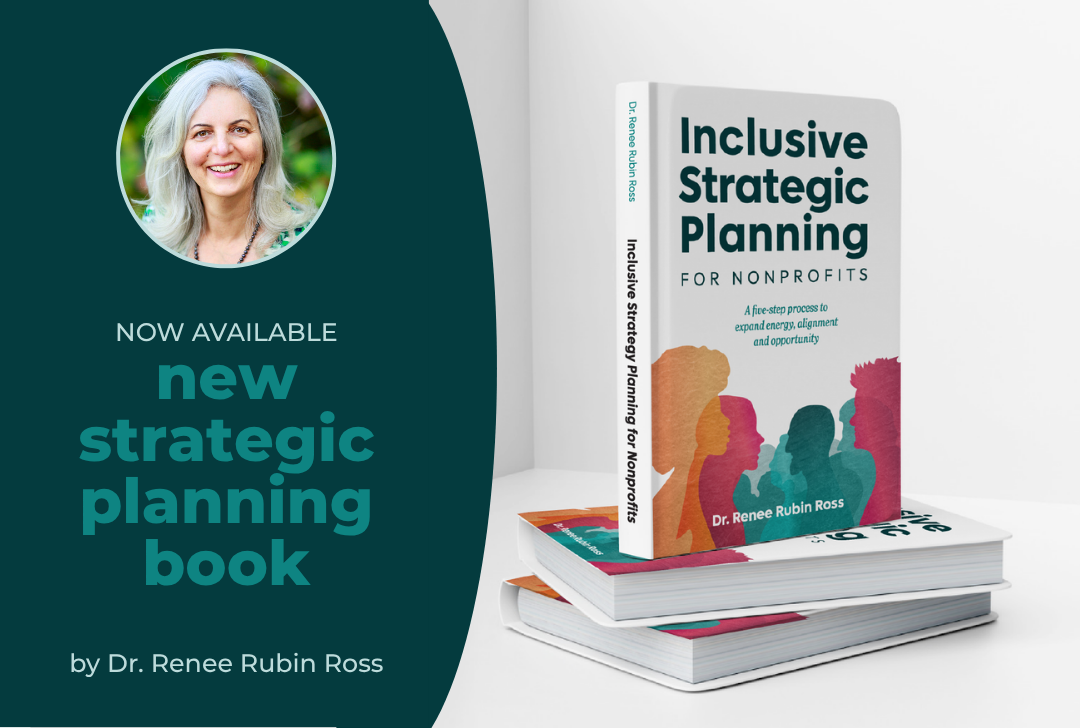
Dr Renee Rubin Ross on Inclusive Strategic Planning for Nonprofits